Transport System Bögl Could Soon Be Floating in Hamburg
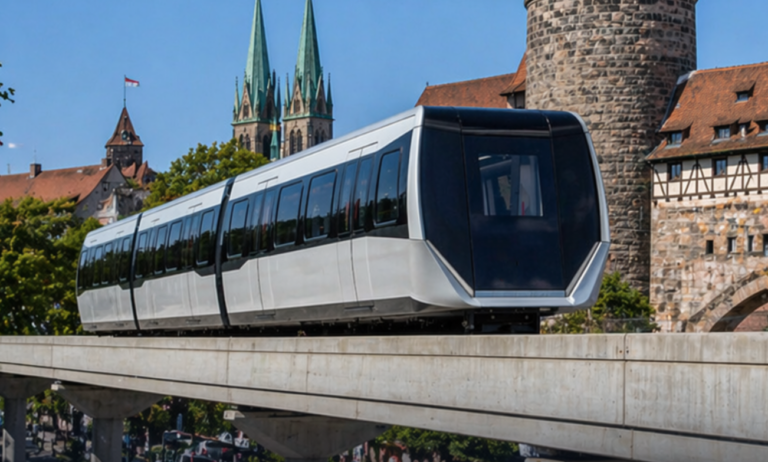
The Transport System Bögl (TSB) could soon be floating in Hamburg. Soil samples for it were already taken in September.
The Transport System Bögl (TSB) could soon be floating in Hamburg. Soil samples for it were already taken in September.
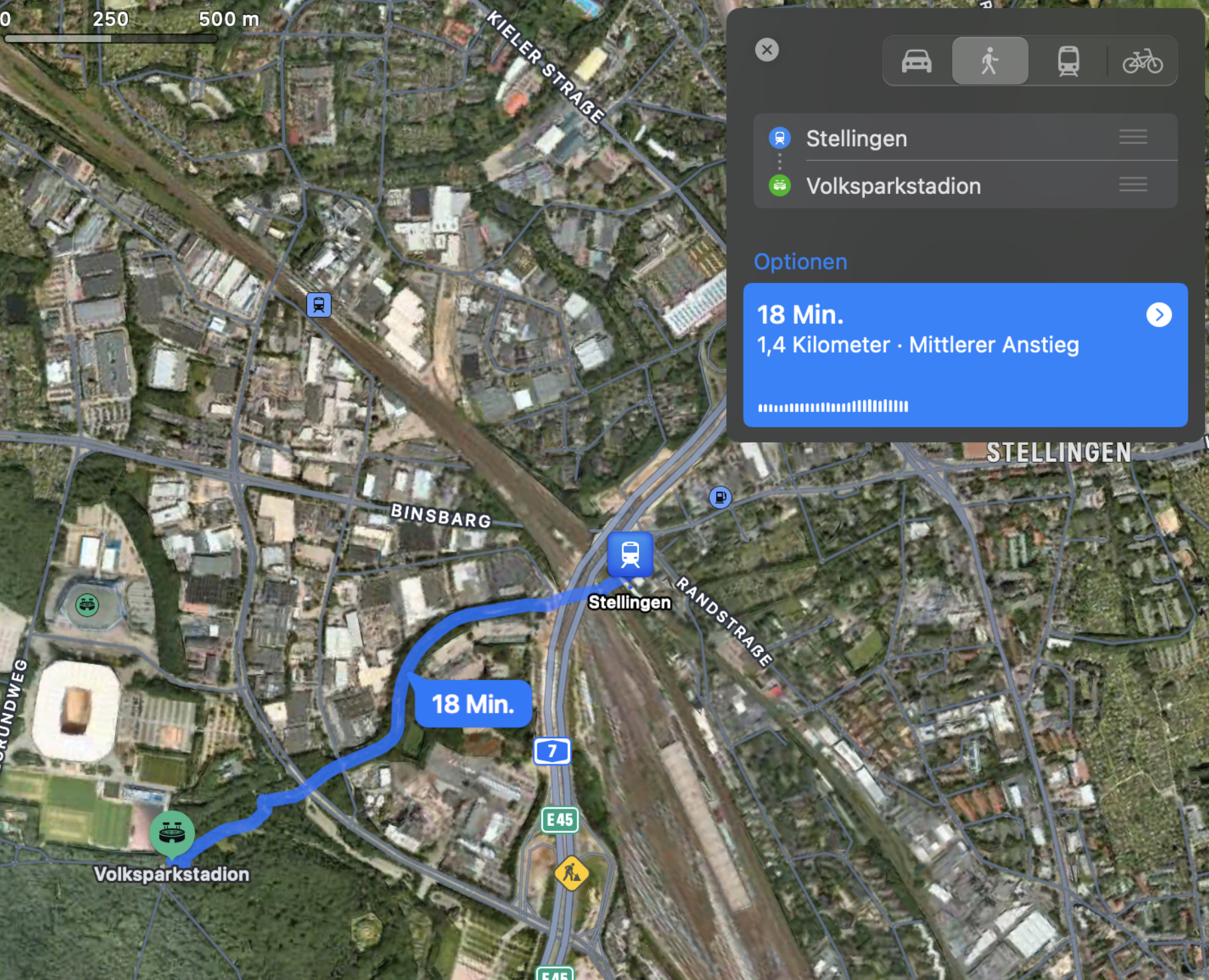
The proposed route would connect the Stellingen S-Bahn (suburban rail) station with the Volksparkstadion. Buses currently serve this link, but at peak times they are often stuck in traffic and arrive late.
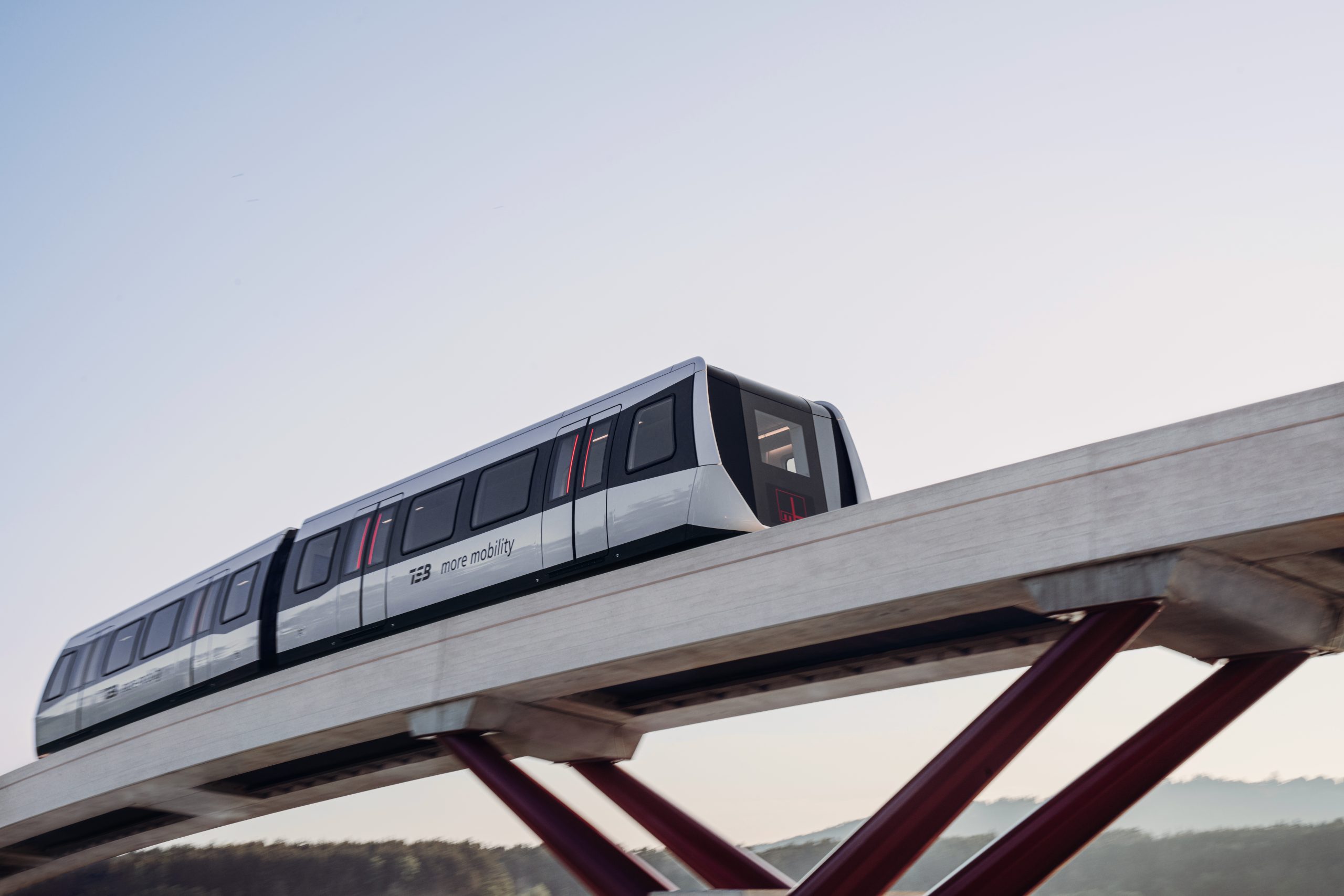
The TSB would be independent of other infrastructure, allowing short travel times together with high punctuality. Another point in the TSB’s favor is how quickly a line can be built: vehicle and guideway come from a single source. The TSB might even be completed in time for the European football championship, which begins in mid-June 2024. That leaves little time to build it, but in 2021 the Max Bögl company group managed to build a TSB Cargo line in just a few months.
The line is planned to be elevated, which lets the TSB blend ideally into the urban environment. The route could run along the existing sidewalk. Such flexibility in alignment cannot be achieved with conventional railways.
Implementation still open
NDR (a German public broadcaster) reports that, according to Hamburg’s transport authority, the implementation of the line is still completely open. No decisions to build have been made yet; the project is currently only being evaluated.
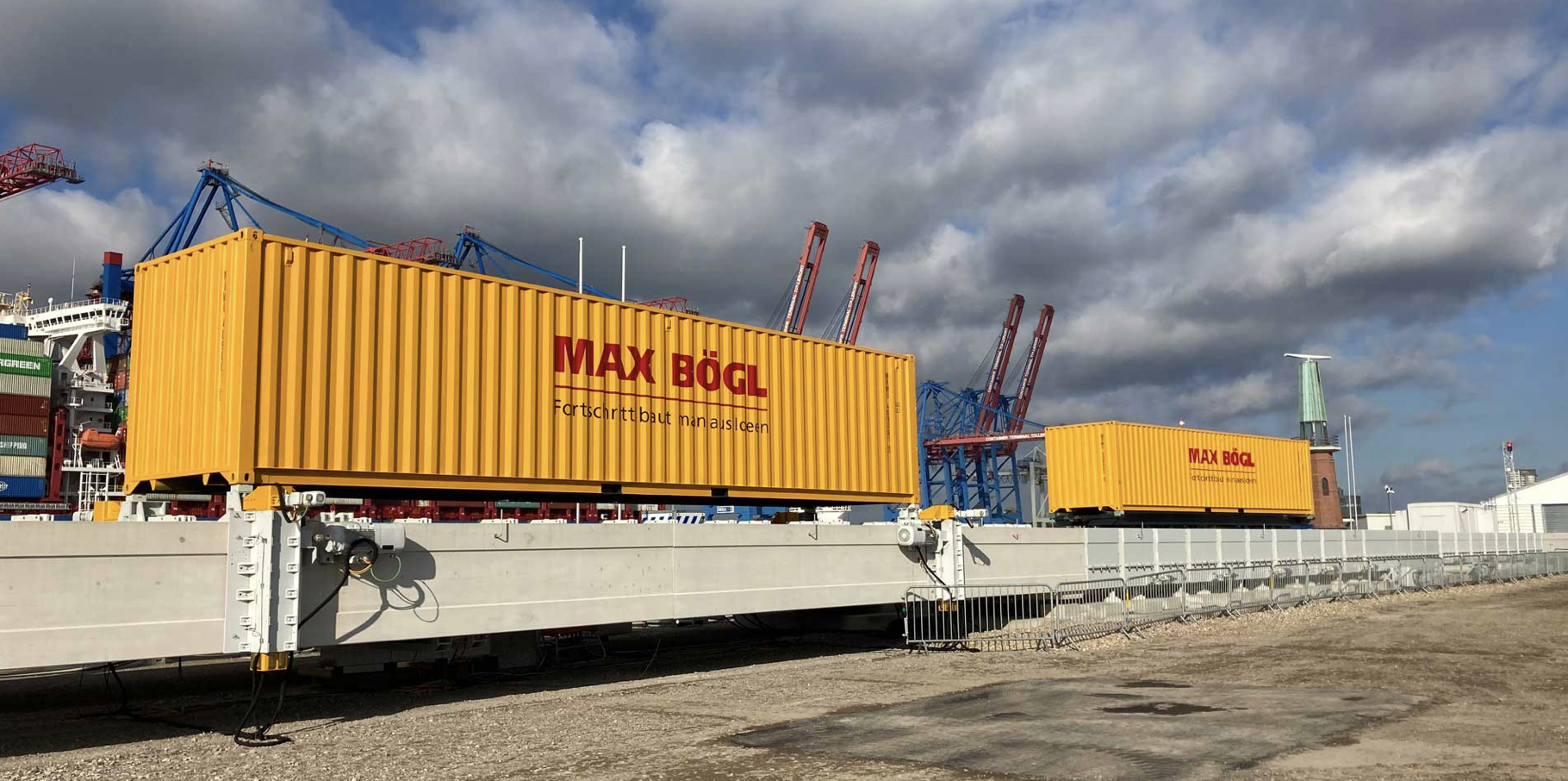
2021: TSB Cargo at the Port of Hamburg
For example, during the ITS World Congress 2021 a cargo demonstration line was built at the Port of Hamburg in just a few months.
TSB Cargo is the freight variant of the Transport System Bögl, which has been under development since 2010.
The 120 m demonstration line was located on the grounds of the “Cruise Center Steinwerder“. On this line, the Max Bögl company group demonstrated in particular fully automated freight transport, switching and lane changes. It also showed how containers are transferred from TSB Cargo to other modes of transport (container handling).
TSB Cargo can transport up to 180 containers per hour at a top speed of 150 km/h. Compared with trucks, TSB Cargo can contribute to cost and CO2 emission reductions of up to 50%.
The line was dismantled from the end of 2021, and since then the cargo vehicle has been back on the test track in Sengenthal.
Environmental concrete
For years the company has successfully relied on Umweltbeton Bögl (Bögl environmental concrete), which stands out for its ecological composition and processing.
Umweltbeton Bögl takes short transport distances into account, uses regional materials and reduces the cement content of the concrete, giving it on average a 39 percent smaller CO2 footprint than conventional concrete.
Max Bögl’s environmental concrete is not only particularly durable but also allows reduced consumption of raw materials through optimized component cross-sections compared with conventional construction methods. The construction products are made in modern production plants using state-of-the-art technology.
With the sustainable production of high-quality reinforced concrete components, Max Bögl sets an important example for environmental protection and helps reduce CO2 emissions in the construction sector – something maglev trains will benefit from as well.
Your Questions About the TSB
Until October 18, 2023, 8 p.m., you can send me your questions about the Transport System Bögl for a video interview.
Soon I will have the chance to interview an employee there. I will collect the questions and then ask them in the interview.
Feel free to send your questions by email to info@magnetbahn.org.
About the Company
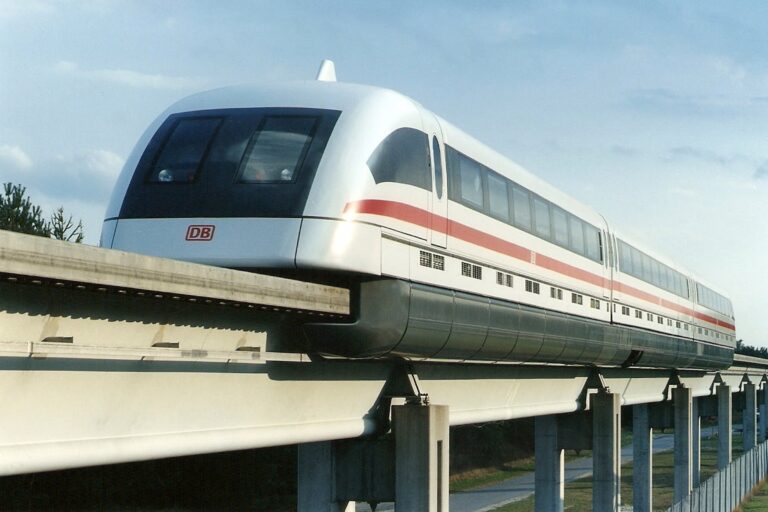
The Max Bögl company group has been known for decades for its belief in technical innovation. As early as the 1990s, the company developed a new guideway for the Transrapid that combines the properties of steel and concrete guideways, delivering optimal ride comfort with economical production (see: hybrid girder). In 2003, the entire Shanghai Transrapid line was built with these girders. In 2010, the company again developed a new guideway for the Transrapid, promising up to 30% lower costs. This guideway girder was even installed and tested at the Transrapid Test Facility Emsland. With the development of the TSB system and environmental concrete, the Max Bögl company group once again proves how problems can be solved with new technologies.