German Transport Minister Dr. Volker Wissing Backs Using the Transrapid in Europe
At the federal congress of the Young Liberals (Junge Liberale, the FDP youth organization) on May 5, 2024, German Federal Transport Minister Dr. Volker Wissing spoke out clearly in favor of Transrapid technology and regretted that it was not pursued further in the past. He expressed his support for a motion by the Bremerhaven JuLis to deploy the Transrapid in Europe.
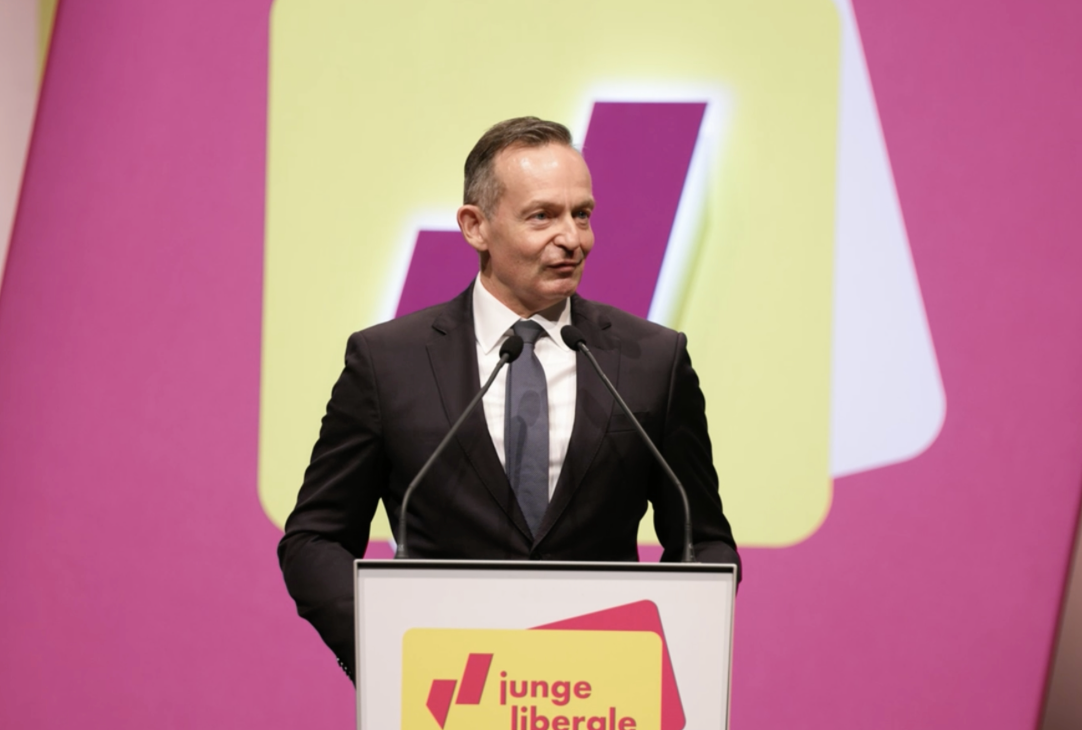
At the federal congress of the Young Liberals (Junge Liberale, the FDP youth organization) on May 5, 2024, German Federal Transport Minister Dr. Volker Wissing spoke out clearly in favor of Transrapid technology and regretted that it was not pursued further in the past. He expressed his support for a motion by the Bremerhaven JuLis to deploy the Transrapid in Europe. This makes him the first transport minister in more than 15 years to publicly back the Transrapid.
“I find the Transrapid impressive and would be glad if it were to succeed on the market, so it’s good that people are still looking into it. I believe it was shelved too early, and in that respect – it has my support”, said Wissing in response to a question from Phil Hempel, deputy district chair of the Young Liberals in Bremerhaven.
The question was how Dr. Wissing views a Transrapid system with top speeds of up to 600 km/h across Europe. The Bremerhaven JuLis have already submitted a corresponding motion, which is now being processed.
The Transrapid stands out for its efficient, powerful and economical technology. At 350 km/h the Transrapid needs 40% less energy per seat than an ICE (Deutsche Bahn’s high-speed train). It reaches 300 km/h after only 4.2 kilometers – an ICE needs a full 17.9 km for that. Compared with the ICE, the levitation system cuts maintenance effort by 70% – which is why guideways last up to 100 years without major repairs and the service life of vehicle components is maximized. That makes it especially reliable: In Shanghai, punctuality of 99.89% is achieved despite 28 million kilometers of mileage after 20 years.
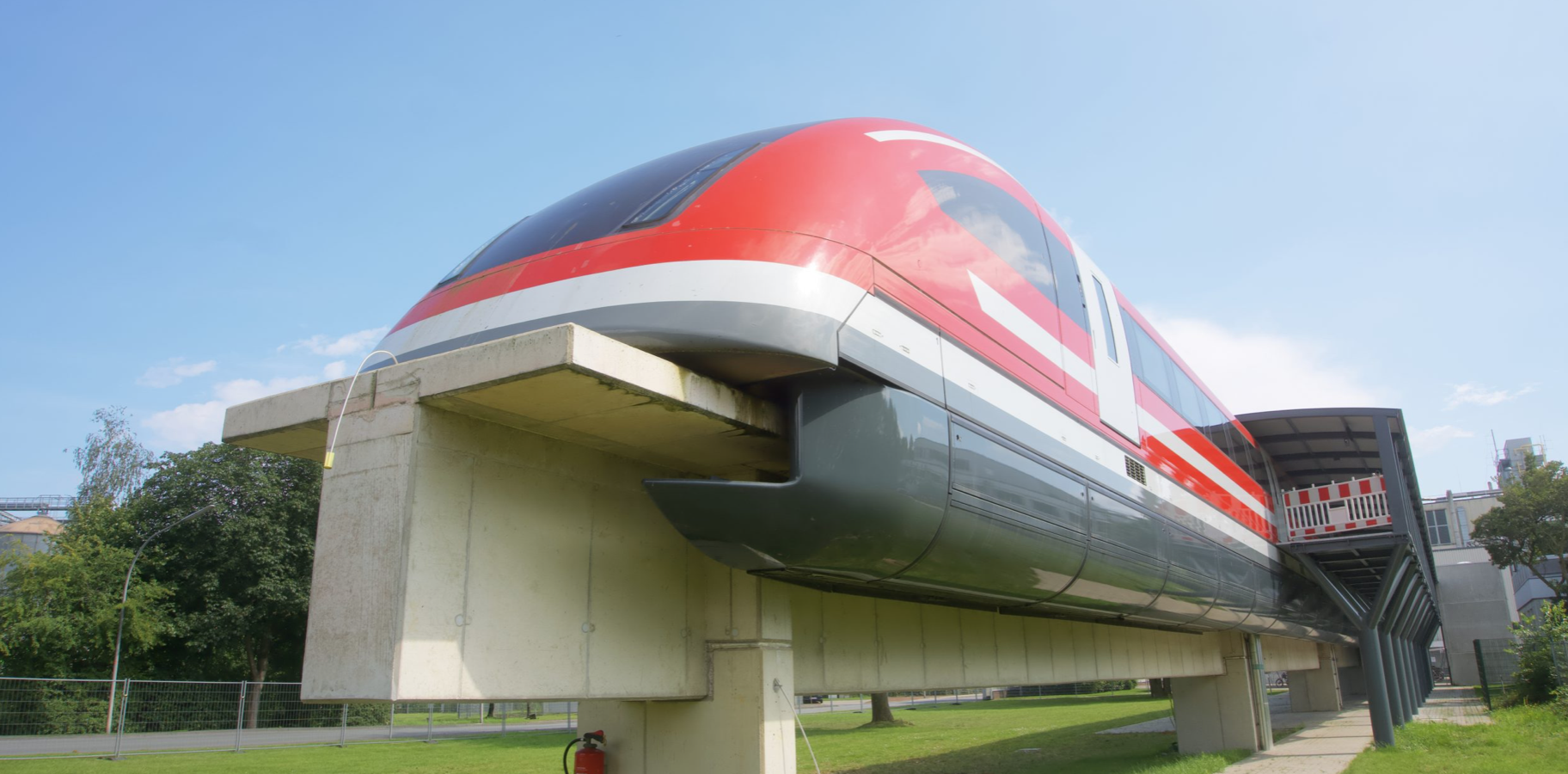
Germany has no high-speed rail network of its own, which is urgently needed. Truly usable long-distance travel requires new infrastructure. That is exactly what the Transrapid is suited for: traveling across the country relaxed and environmentally friendly at up to 500 km/h. It sounds like a utopia – but it was successfully tested and demonstrated in Emsland (northwestern Germany) from 1984 to 2011.
In a petition, David Harder, operator of the maglev information platform magnetbahn.org, calls for exactly this to change. The petition demands deploying the Transrapid in Germany, in particular because of its much-needed advantages for long-distance travel.
“The Transrapid has the potential to relieve the heavily overloaded rail network, especially in long-distance travel. With top speeds above 400 km/h, long-distance travel becomes pleasant again – in stark contrast to the current unpunctuality of the ICEs and the thousands of train cancellations every year in long-distance traffic alone. Germany urgently needs to invest in new infrastructure to improve this state of its railways. Why don’t we – at least where it really makes sense – rely on this environmentally friendly mode of transport, which can relieve the rail network and short-haul air traffic in a climate-neutral way (depending on the energy mix)? And this despite the fact that the investment costs, as already described, are no higher than for the ICE?”, the petition states. The petition can be viewed and signed at openpetition.de/transrapid.
Video of the speech
Dr. Wissing’s full speech (in German) can be viewed at https://www.twitch.tv/videos/2137821067 (recording of the federal congress) from 01:48:44.