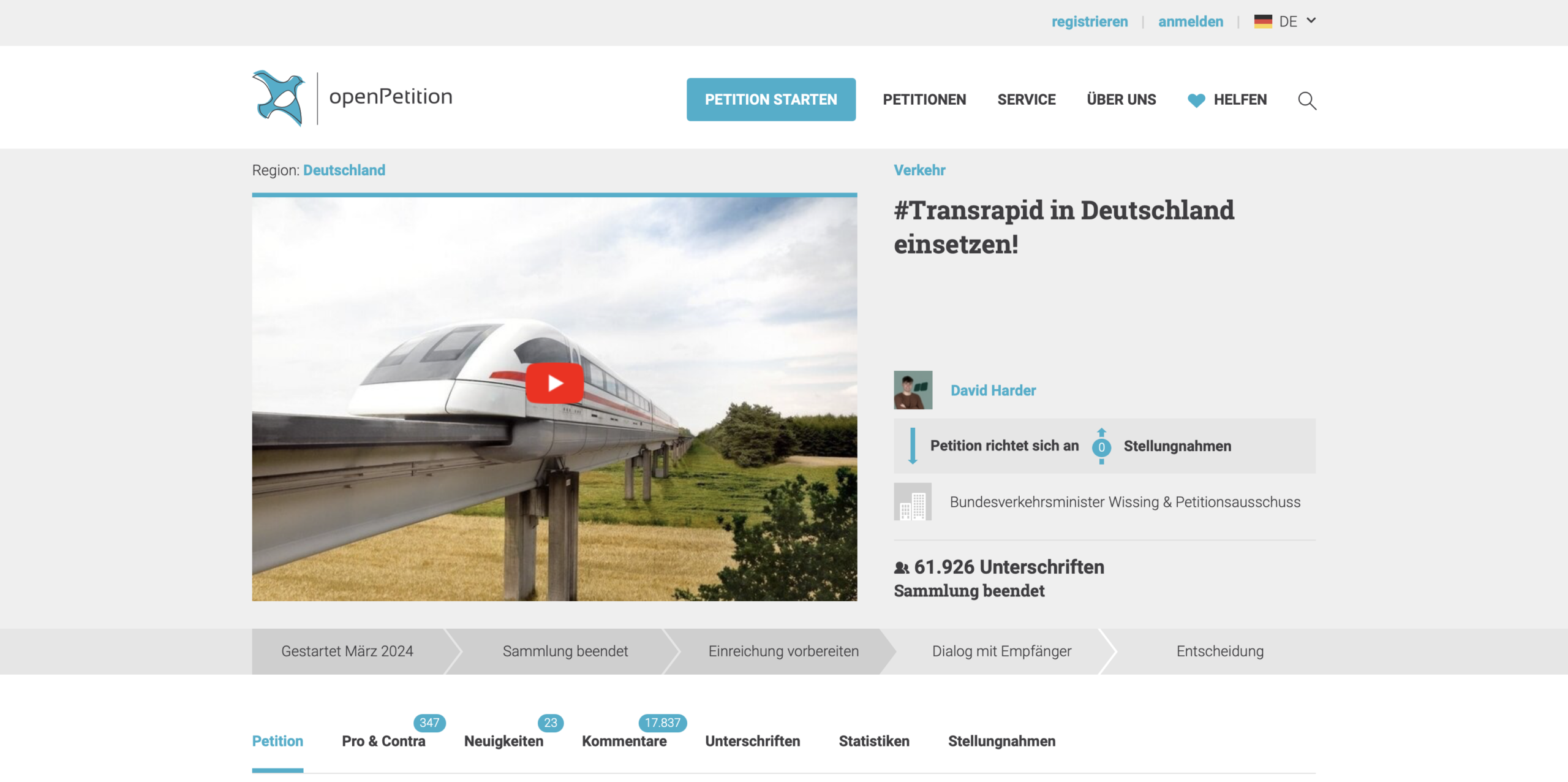
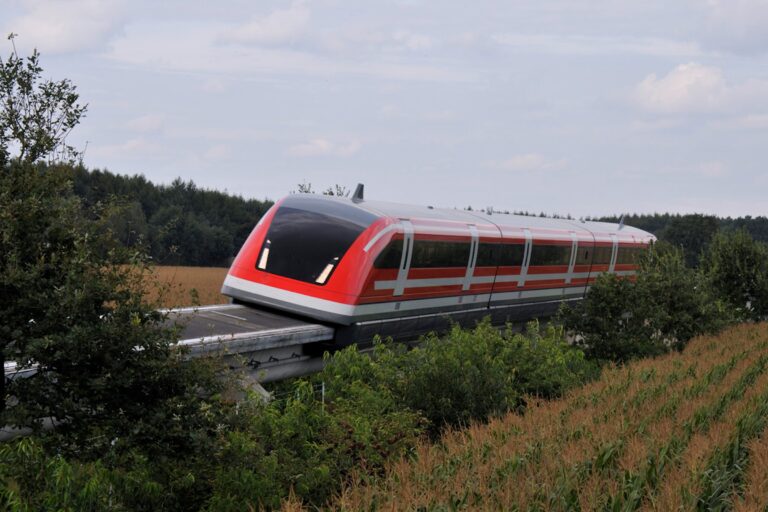
The signing period for the Transrapid petition ended on March 7, 2025, with an outstanding result: almost 62,000 people signed - well exceeding the original goal of 50,000 votes. This success impressively shows the great public interest in reviving the Transrapid project in Germany.
Handover to the new federal government within reach
After the Bundestag (German parliament) elections in February 2025, Germany is currently in the process of forming a government. Once a new government is in place and the Bundestag officially begins its work, the petition will be handed over to the new German Federal Ministry of Transport and to parliament. We hope that the high number of supporters sends a clear message: the Transrapid is still a technology with a future - and deserves a serious reassessment.
The advantages of the Transrapid
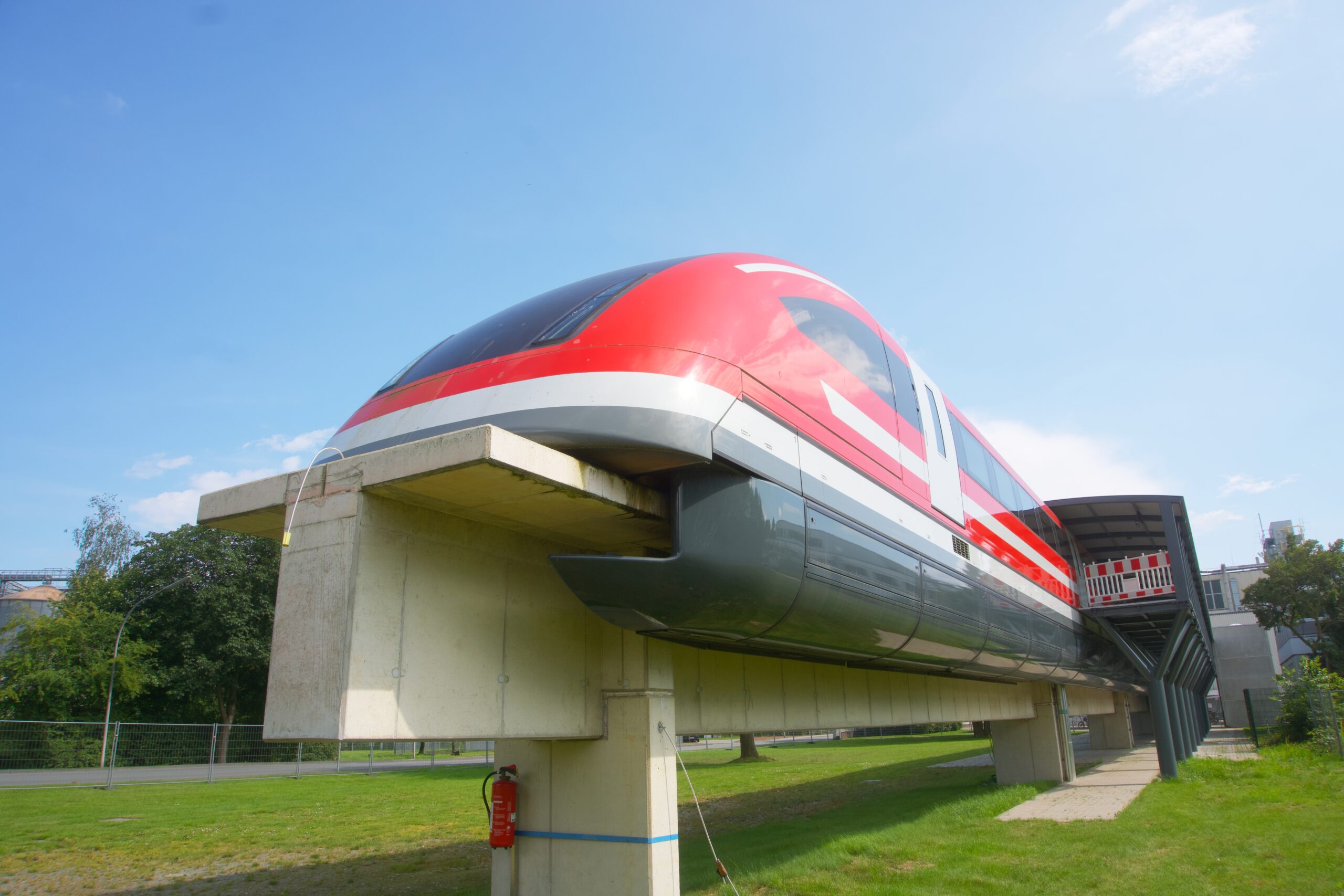
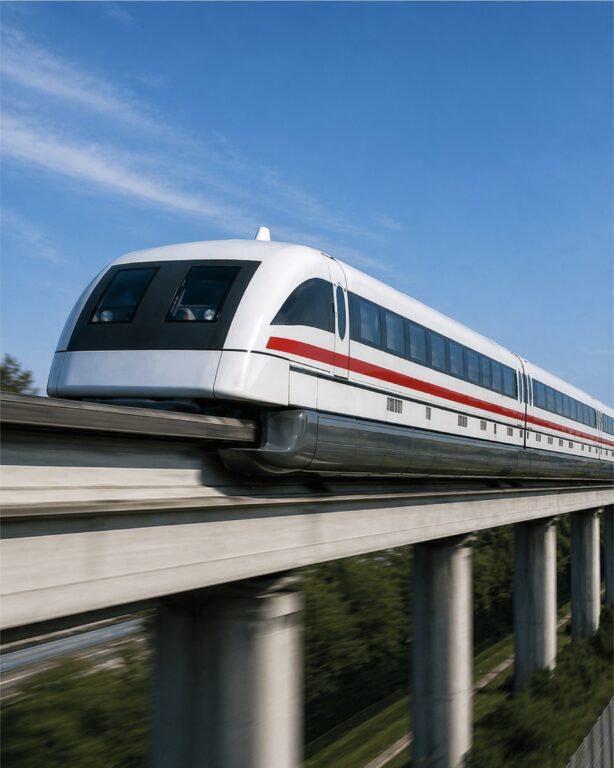
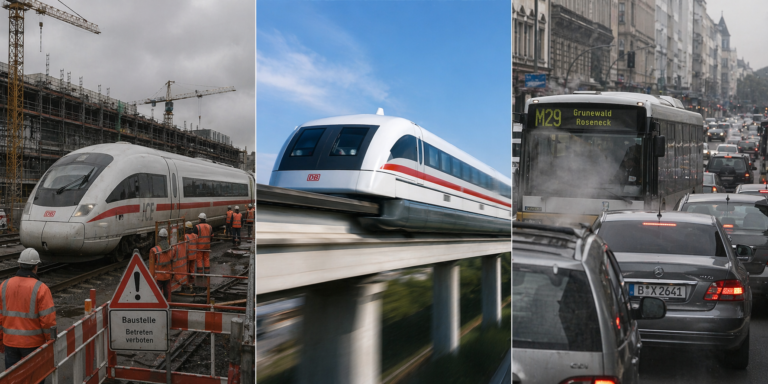
The Transrapid was developed to overcome the technical hurdles of conventional railways. With speeds of up to 500 km/h it offers a real alternative to car, train and plane and can be operated in a climate-neutral way - depending on the energy mix. It is not only faster but also more efficient: at 350 km/h it uses 40% less energy per seat than an ICE (Deutsche Bahn's high-speed train). Thanks to its high gradient capability, the Transrapid needs fewer tunnels and can bridge existing infrastructure without cutting up landscapes. It is also economically attractive, since both staffing needs and maintenance costs are significantly lower - maintenance costs are around 68% below those of the ICE. The infrastructure has a service life of up to 100 years, while the system is considered extremely reliable with availability of over 99.9%. Using the Transrapid can relieve roads, rail and air traffic, which brings great benefits especially in overloaded transport corridors.
New Bundestag brings fresh momentum for technology openness
The composition of the new Bundestag is especially encouraging: forces that are open to technology and business-oriented have a clear majority for the first time in a long while. This could mean that forward-looking infrastructure projects such as the Transrapid are not only examined more favorably but actually considered a serious alternative for rail transport.
With a government majority shaped by business- and technology-oriented forces, the course could be set for a new mobility strategy. While there have traditionally been reservations about large-scale projects, openness to innovative and climate-friendly transport solutions is growing at the same time.
Next steps: what happens now
Once the new federal government is in office, the petition will be handed over officially. We are counting on a dialogue with political decision-makers and are calling for an unbiased examination of the Transrapid as a modern, fast and environmentally friendly transport solution.
The enormous support from the public shows that the Transrapid is by no means a relic of the past but an opportunity for the future. It is to be hoped that the new federal government recognizes this opportunity and kicks off a serious debate about using this innovative technology.