Maglev Derived Systems: Rail Industry Wants to Retrofit Maglev Advantages
Maglev systems have relied on linear motors for propulsion for decades. Now the conventional railway industry is recognizing the advantages of linear motors and wants to integrate them into the existing rail network. These are novel "Maglev Derived Systems" (MDS), that is, systems derived from maglev trains.
Maglev systems have relied on linear motors for propulsion for decades. Now the conventional railway industry is recognizing the advantages of linear motors and wants to integrate them into the existing rail network. These are novel “Maglev Derived Systems” (MDS), that is, systems derived from maglev trains.
The approach behind MDS is to implement linear motors in existing infrastructure. The hope is for performance gains that would allow, for example, steeper gradients and longer vehicles. To what extent the technology makes sense is still completely open. The EU is funding the project with €1.5 million.
Strategic alliance "MaDe4Rail" founded
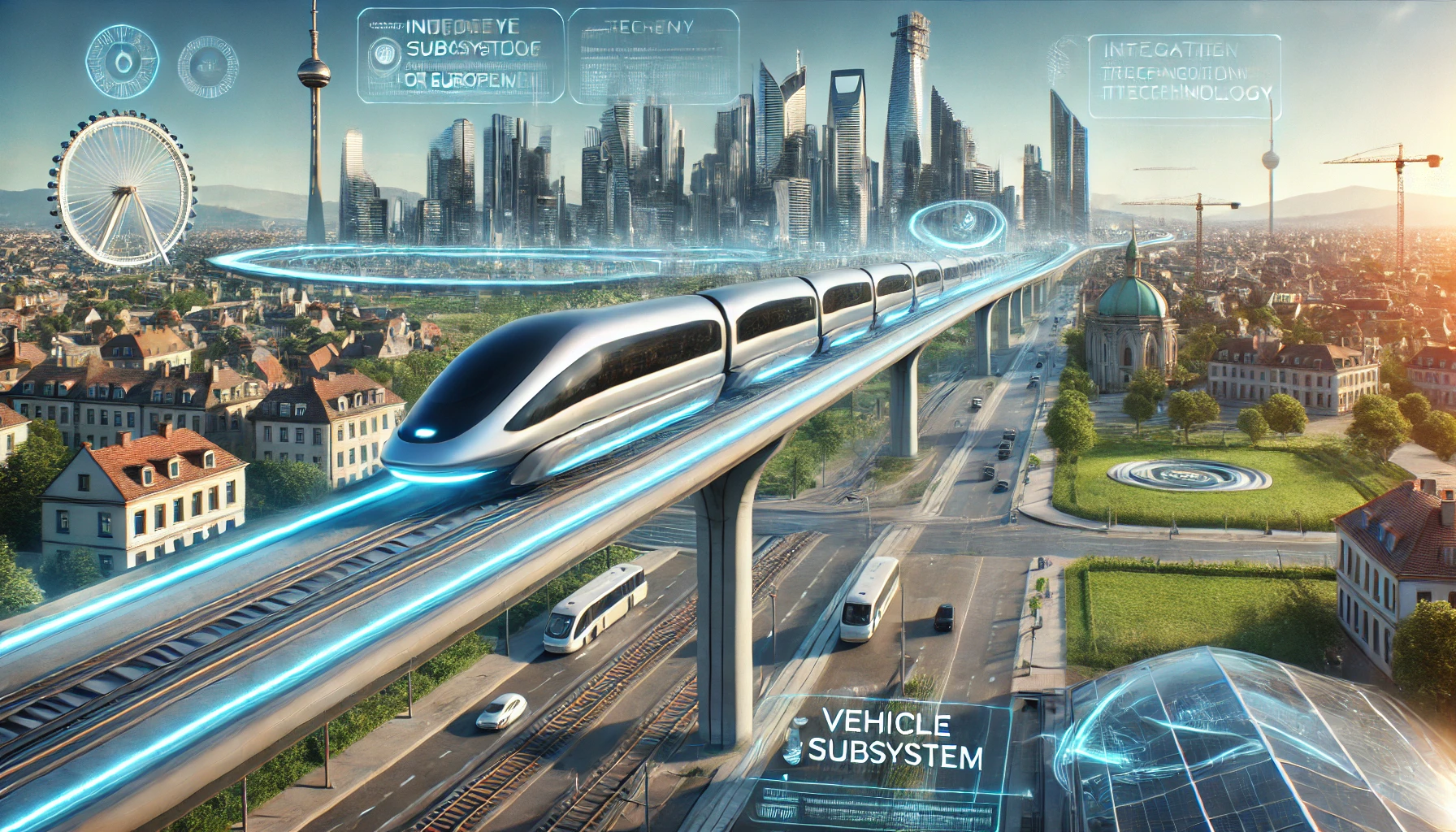
The MaDe4Rail project is researching the integration of technologies derived from maglev trains into existing railway infrastructure. The aim is to increase the capacity of the European rail network by allowing levitating trains and traditional trains to operate on the same lines. This could lead to higher frequencies without having to build new infrastructure. At least, that is the project’s official explanation on its website.

A questionable approach
Using linear motors on existing lines certainly brings advantages, since vehicles would benefit from additional power under critical conditions. Local freight transport within individual areas could benefit from individually running containers or even longer, higher-capacity vehicles.
But deploying this on a large scale is a questionable approach that combines the performance of long-stator linear motors (as on the Transrapid) with the inefficiency of wheel-on-rail.
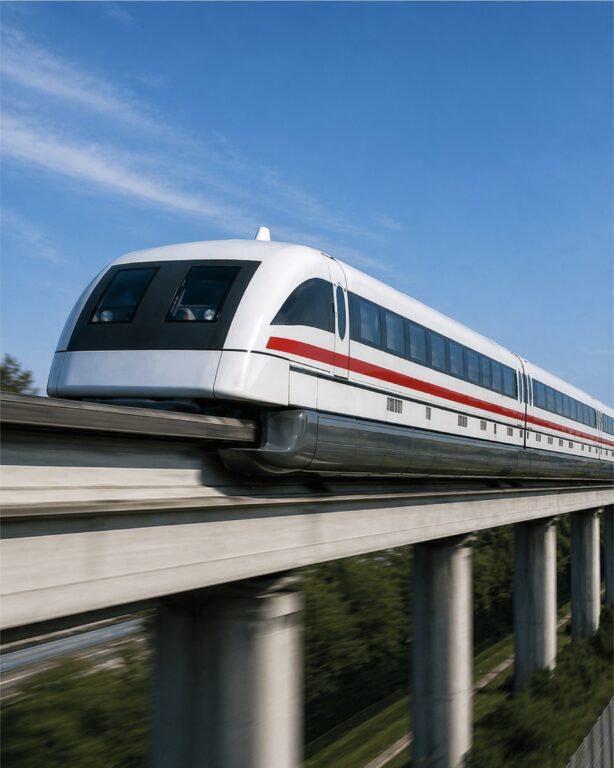
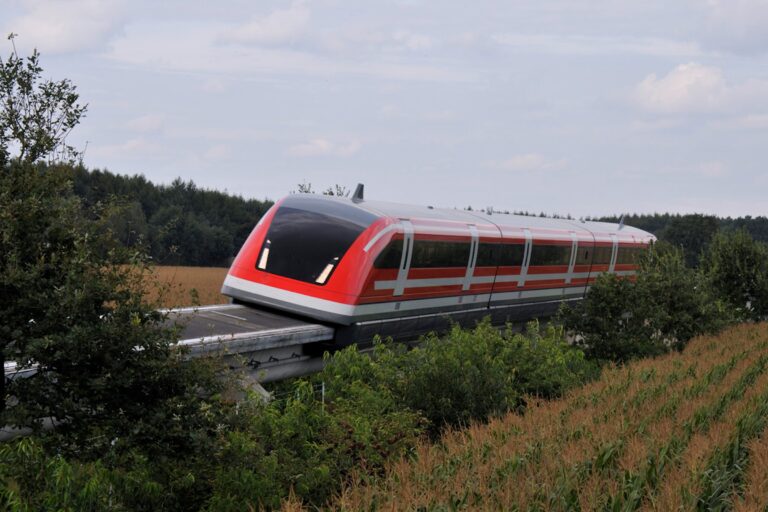
The idea sounds great: you have a finished passenger train that you can simply equip with MDS technology. But the energy demand would be anything but great. Since conventional trains have to carry their entire drive power in their axles and wheels, they are very heavy. For comparison: a Transrapid 08 (0.49 t per seat) weighs only half as much per seat as an ICE 3 (0.99 t per seat), as it has no wheels, axles or traction motors.
The high weight of conventional trains means correspondingly high energy demand is to be expected. The high energy demand is not only due to the heavy empty weight of these vehicles: rolling resistance has also not been overcome. The technology may be feasible, but there are big questions about whether it makes sense. In theory, steeper gradients can be managed: but is that necessary? The tracks have already been built to parameters that correspond to conventional railways. A benefit would only exist on newly built lines.
Additional burden on the rail network
The MaDe4Rail project also intends to operate maglev trains on existing infrastructure. There are interesting solutions from Nevomo and IronLev for this, which aim to make conventional rail infrastructure maglev-capable. The sense of this can be questioned as well, since it involves major challenges, which are explained below using Germany as an example.
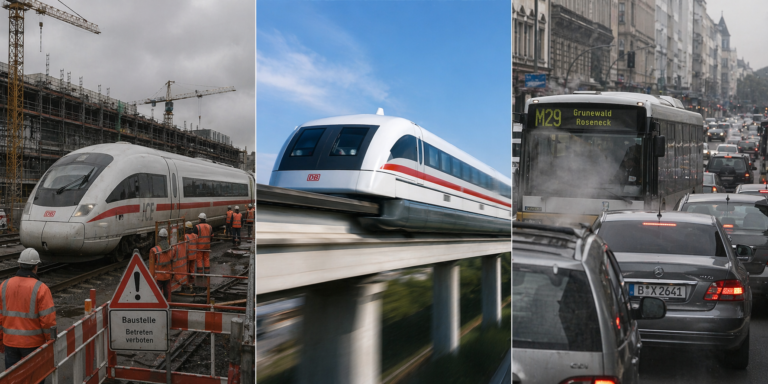
Germany’s ICE high-speed trains run on the same infrastructure as freight and local passenger trains. The big problem is that the ICE is slowed down by them: the average speed of ICE trains in Germany is therefore only 160 km/h. ICE technology is theoretically capable of reaching up to 330 km/h. But it cannot: the rail network is in too poor a condition, and it is also completely overcrowded and dotted with slow-running sections. The ICE has to brake constantly. A 500+ km/h maglev cannot be operated on this infrastructure under any circumstances, and retrofitted linear motors do not help. Moreover, this system does not relieve the rail network; on the contrary, it becomes even fuller.
The technology would, however, be advantageous in countries that have separate high-speed networks. Provided the lines in question are not overcrowded by other trains, vehicles can certainly reach high speeds, as long as the alignment parameters (curves, gradients) do not spoil things. Whether that is efficient is doubtful, though, since conventional trains weigh at least twice as much per seat as native maglevs (Transrapid vs. ICE). Retrofitting conventional high-speed trains with MDS would thus be an absolute waste of energy. It might look different if new MDS vehicles designed for weight reduction were developed. But that would still not change the fact that true maglevs remain clearly at an advantage.
True maglevs still have the advantage
Maglev systems such as the Transrapid are known for their high speeds, lower energy demand (compared with conventional rail), significantly lower maintenance costs and high flexibility in rural integration thanks to greater climbing ability, tighter curve radii and less intrusive impact on the landscape. In addition, the separate infrastructure ensures high availability.
Maglev Derived Systems, unfortunately, cannot deliver a single one of these advantages. The EU is funding the project with €1.5 million anyway.