Language
Language
Transrapid ·

How You Can Visit a Transrapid: Where Every Vehicle Is Today

During the development of the Transrapid, many prototypes were built that still exist today, and some can even be visited. In this article I explain where each vehicle is located.

During the development of the Transrapid, many prototypes were built that still exist today, and some can even be visited. In this article I explain where each vehicle is located. If you want technical details about the vehicles, take a look at our Vehicle overview.

MBB Principle Vehicle

Image: Thyssenkrupp Transrapid

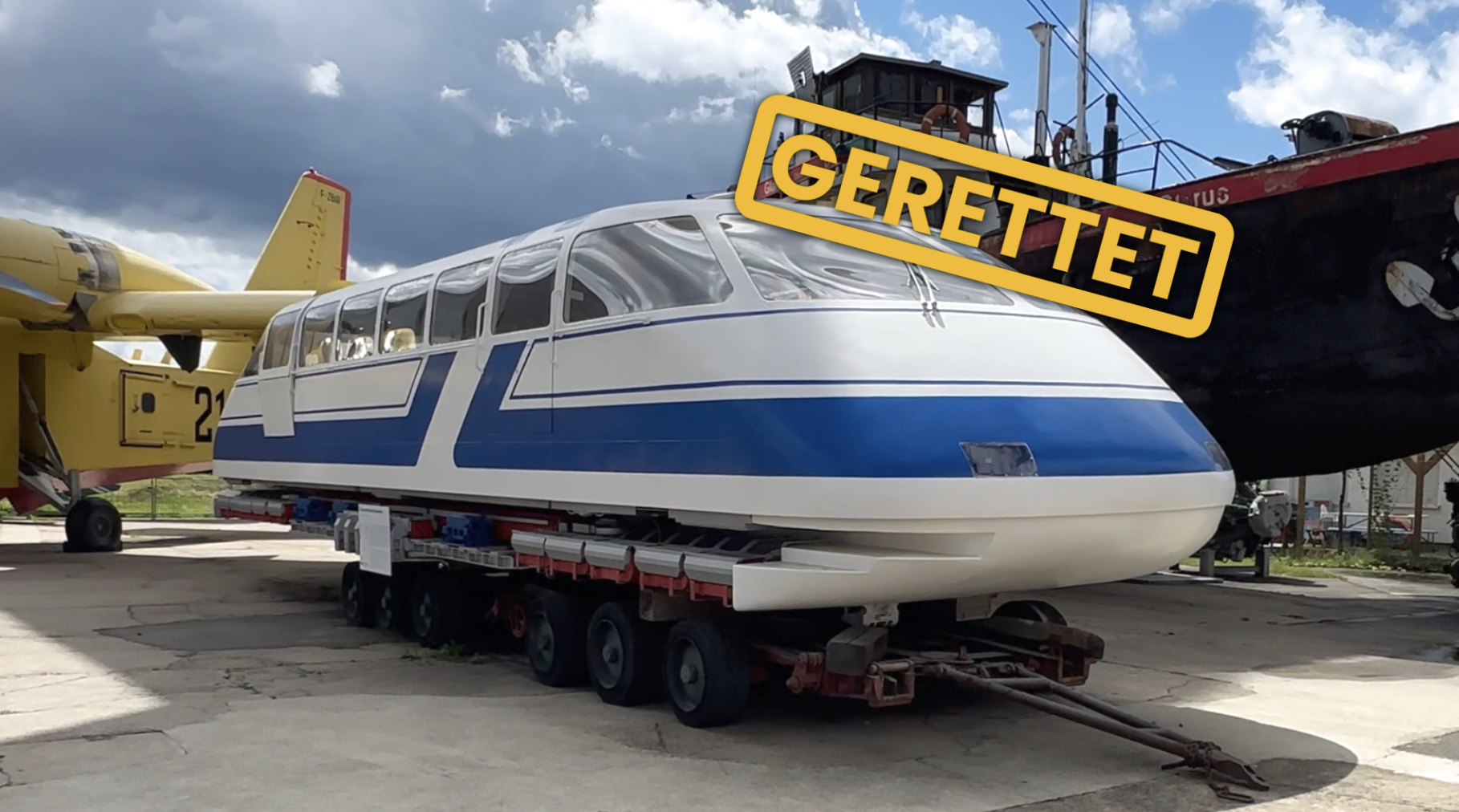
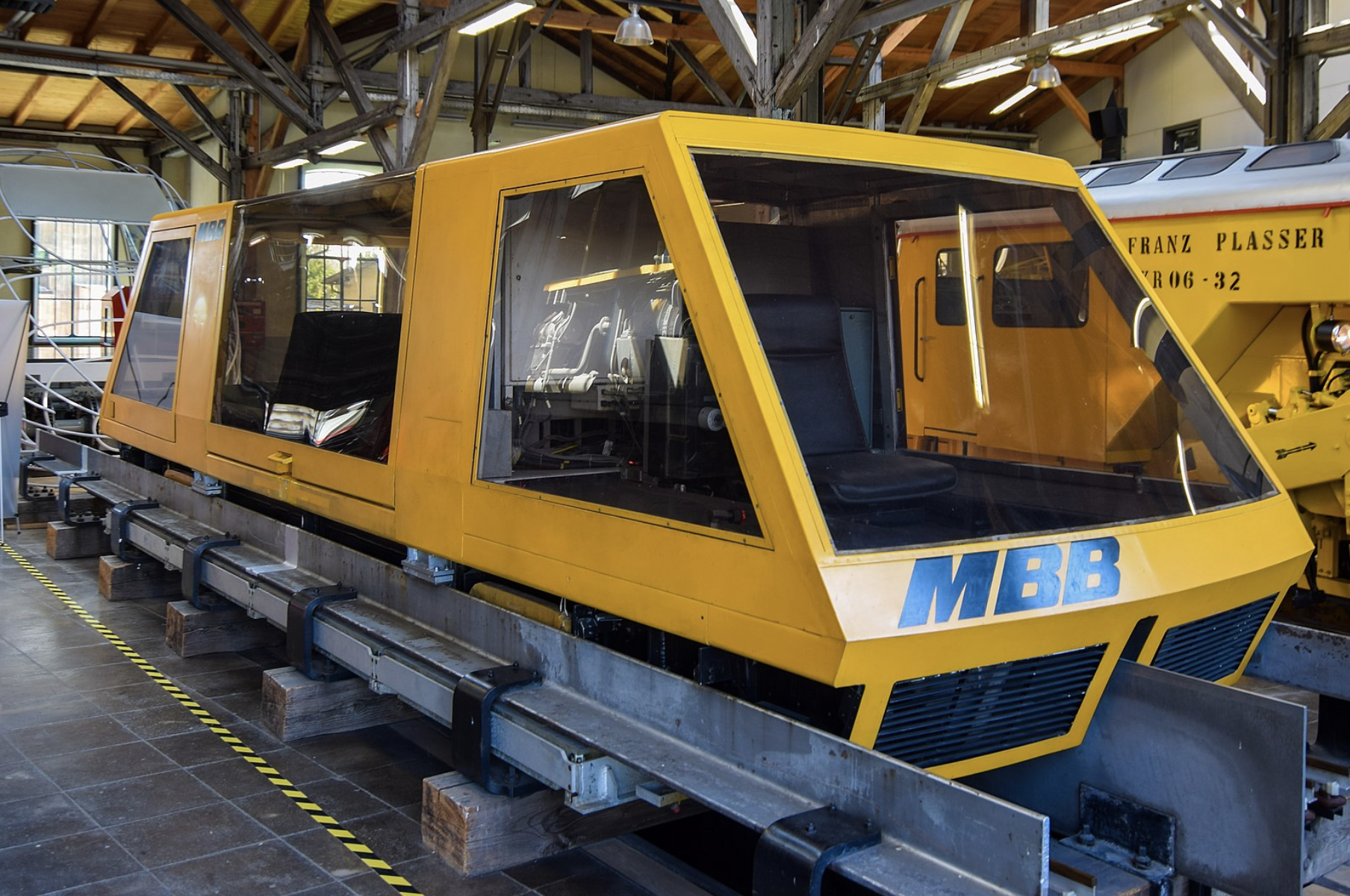
In 1971 the MBB principle vehicle caused a sensation: it was the first electromagnetically levitated vehicle to carry passengers, on a short test track.

It is currently on display at the Lokwelt Freilassing (a railway museum in Bavaria). The vehicle is very well preserved.

Image: https://commons.wikimedia.org/wiki/User:MPW57

MBB KOMET

Image: Thyssenkrupp Transrapid

The KOMET is a prototype that never carried passengers. It was intended instead to evaluate electromagnetic levitation at high speeds. For this purpose it was accelerated by hot-water rockets to speeds of up to 401 km/h. The KOMET delivered the important finding that the magnets and the car body should be sprung rather than rigidly mounted on the vehicle.

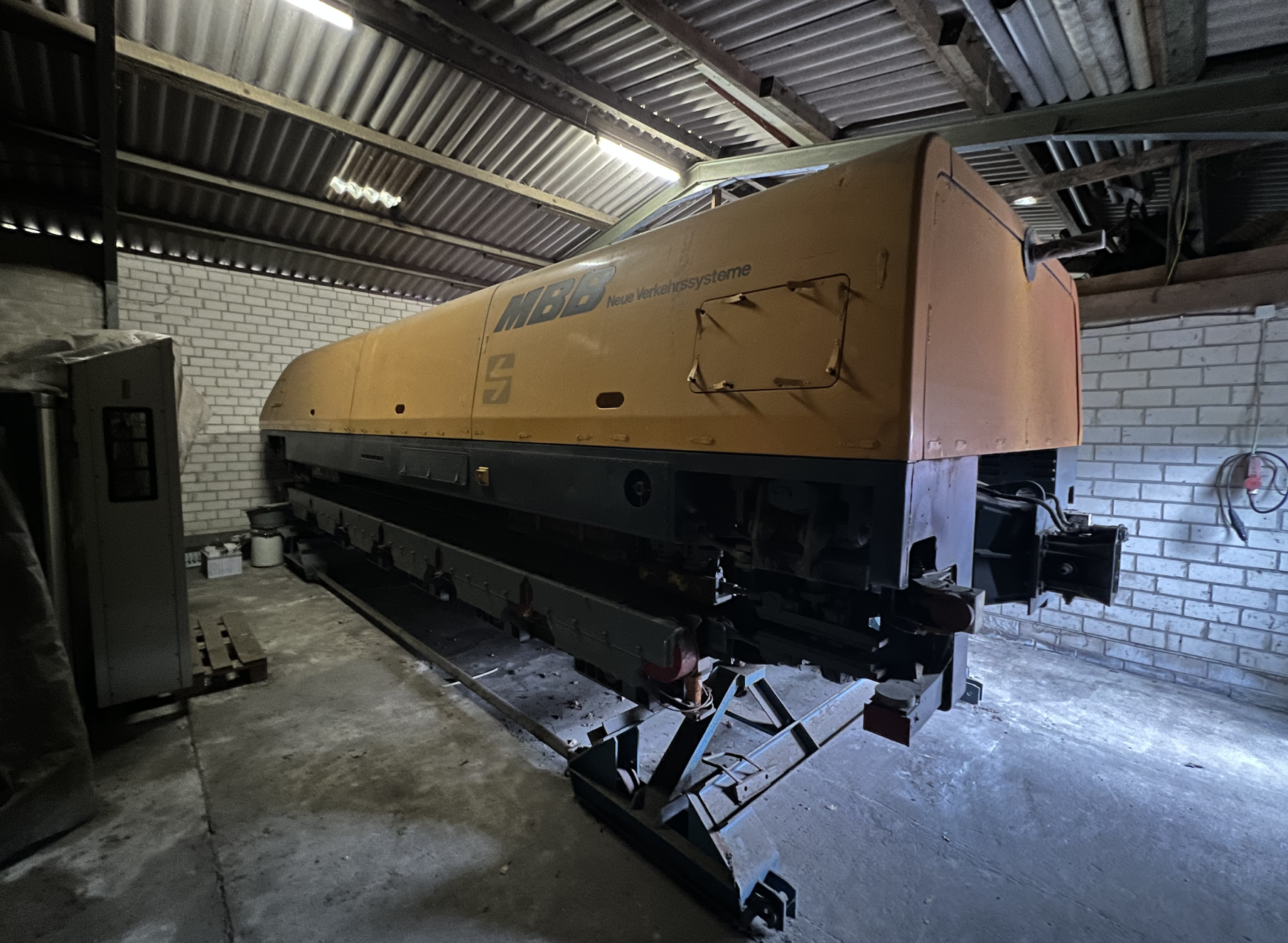
The KOMET cannot be visited by the public. It is kept in a warehouse in northern Germany, where it is stored safely. It is a bit dusty, but in good condition.

The stored KOMET without its rocket sled

TR02 & TR03

TR02 Image: Thyssenkrupp Transrapid
TR03 Image: Thyssenkrupp Transrapid

Krauss-Maffei tested electromagnetic & air-cushion vehicles to find out which made the most sense. It quickly became clear that air-cushion vehicles were disadvantageous: loud and inefficient. Krauss-Maffei then specialized in electromagnetic vehicles.

Unfortunately, both vehicles were scrapped and can no longer be visited.

Erlangen Test Vehicle (EET)

Image: Thyssenkrupp Transrapid

With the EET, a consortium of Siemens, AEG and BBC developed vehicles from around 1972 that levitated electrodynamically. This means the vehicles were levitated by superconductors. Up to 50 km/h the vehicles ran on rubber wheels; beyond that they could retract the wheels and levitate. A short-stator drive was implemented first, and later it was converted to an ironless long stator (EET02).

Unfortunately, the EET vehicles were scrapped. Accordingly, they can no longer be visited.

TR04

Image: Thyssenkrupp Transrapid

The TR04 is the successor of the TR02 (the TR03 air-cushion vehicle was discontinued). It reached over 250 km/h on a test track in Ottobrunn.

The vehicle was donated by Krauss-Maffei to the Technik Museum Speyer. There it can be viewed from the outside. The museum recently came under criticism for planning to misuse the TR04 as a hotel room. That plan now appears to have been dropped.

TR04 in Speyer

HMB2

Image: Thyssenkrupp Transrapid

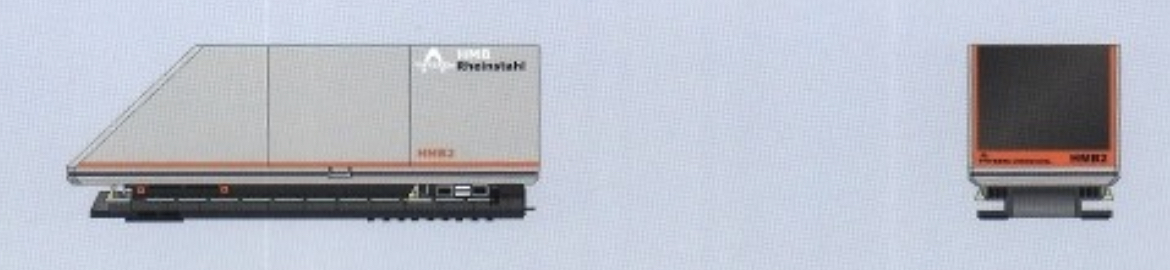
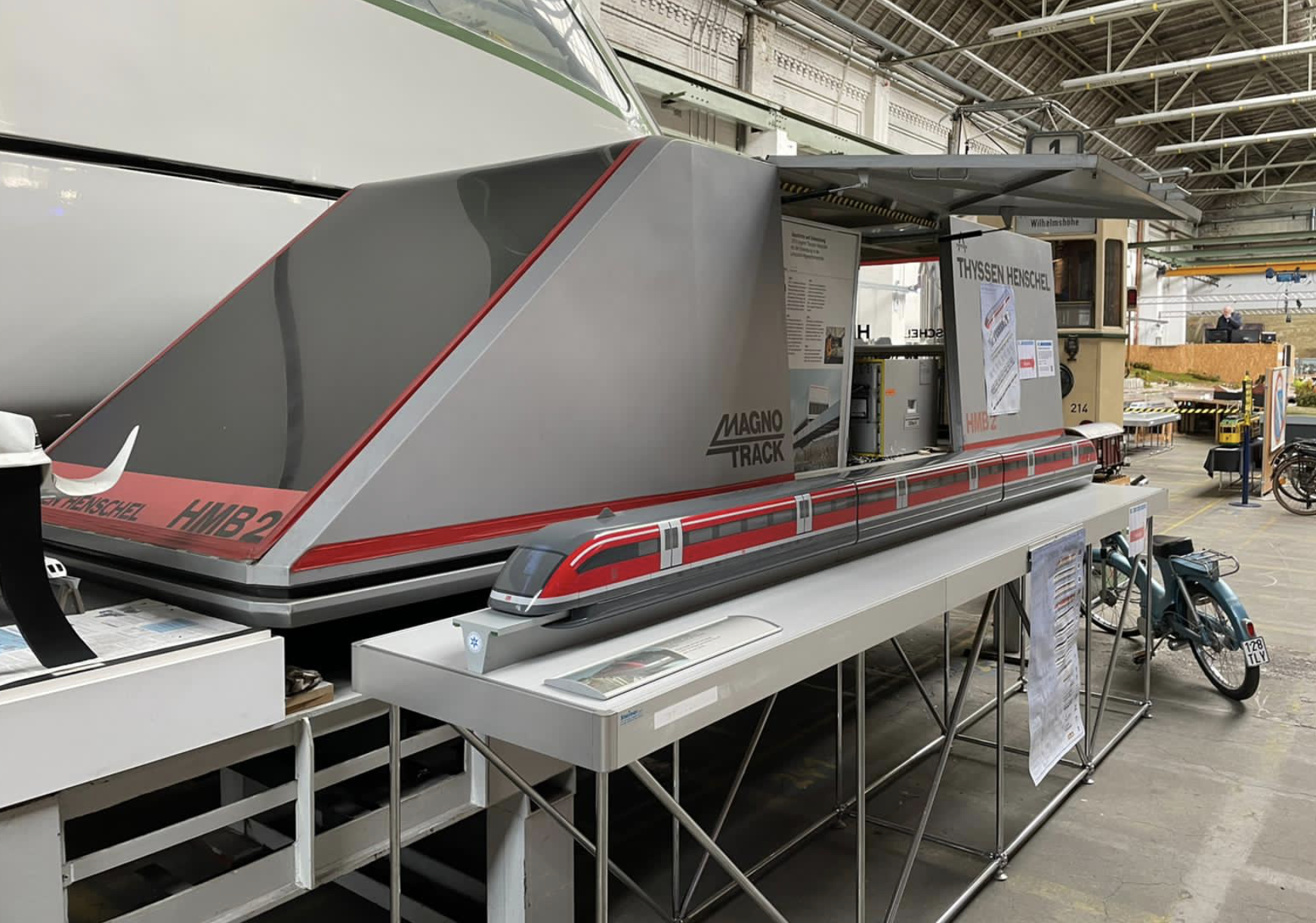
Tested in 1974 as the HMB1 levitation frame and later extended with a car body. The HMB was the first realization of today’s Transrapid drive and levitation technology.

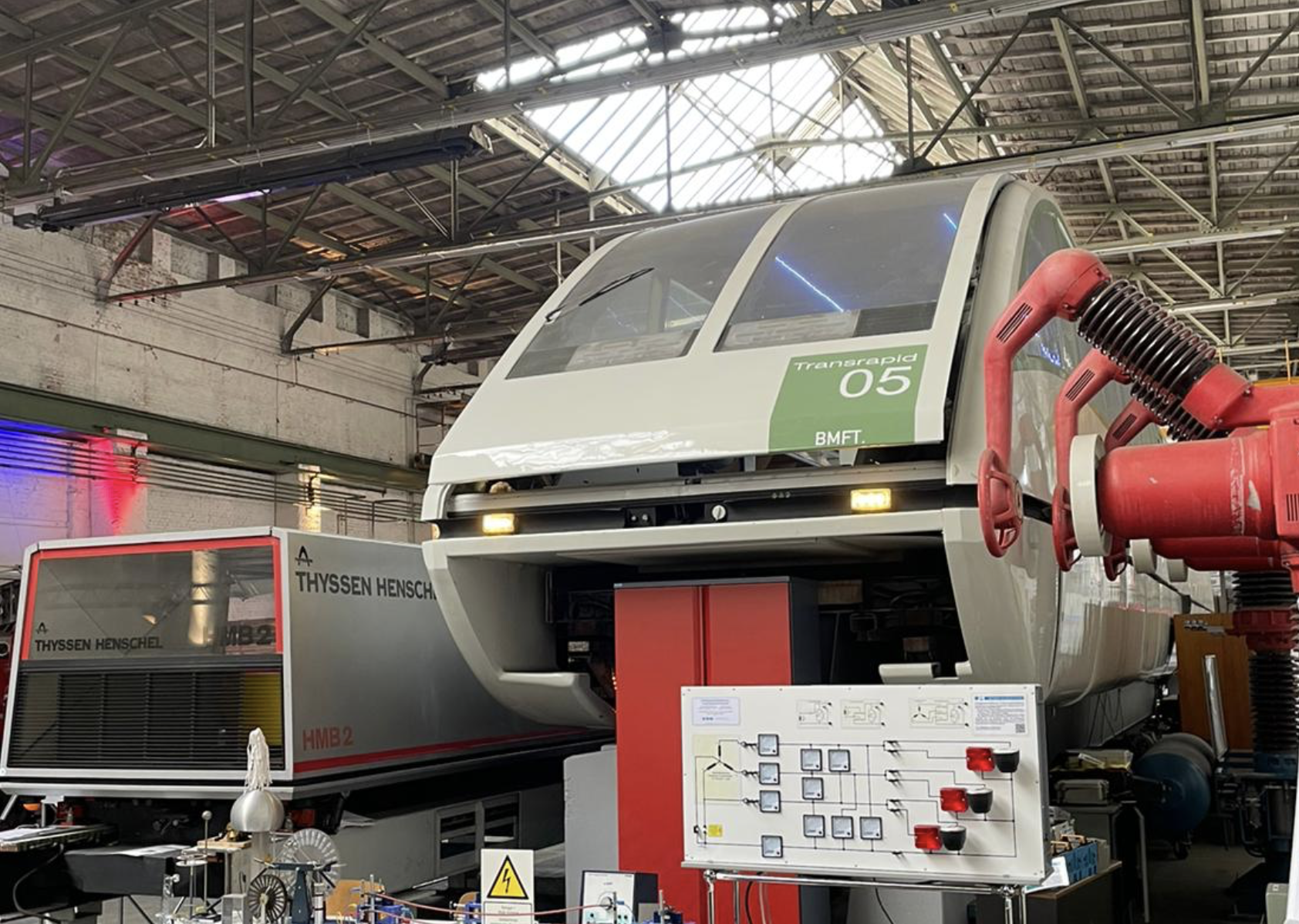
It stands in the Technik Museum Kassel next to the TR05.

HMB2 in Kassel

TR05

Image: Thyssenkrupp Transrapid

The first 2-section vehicle was the TR05, which carried public passengers at the International Transport Exhibition in Hamburg in 1979.

The complete vehicle stood on the factory grounds in Kassel just a few decades ago, but is now on display in the Technik Museum Kassel. There you can even see its interior.

TR05 & HMB2 in Kassel

TR06

Image: Thyssenkrupp Transrapid

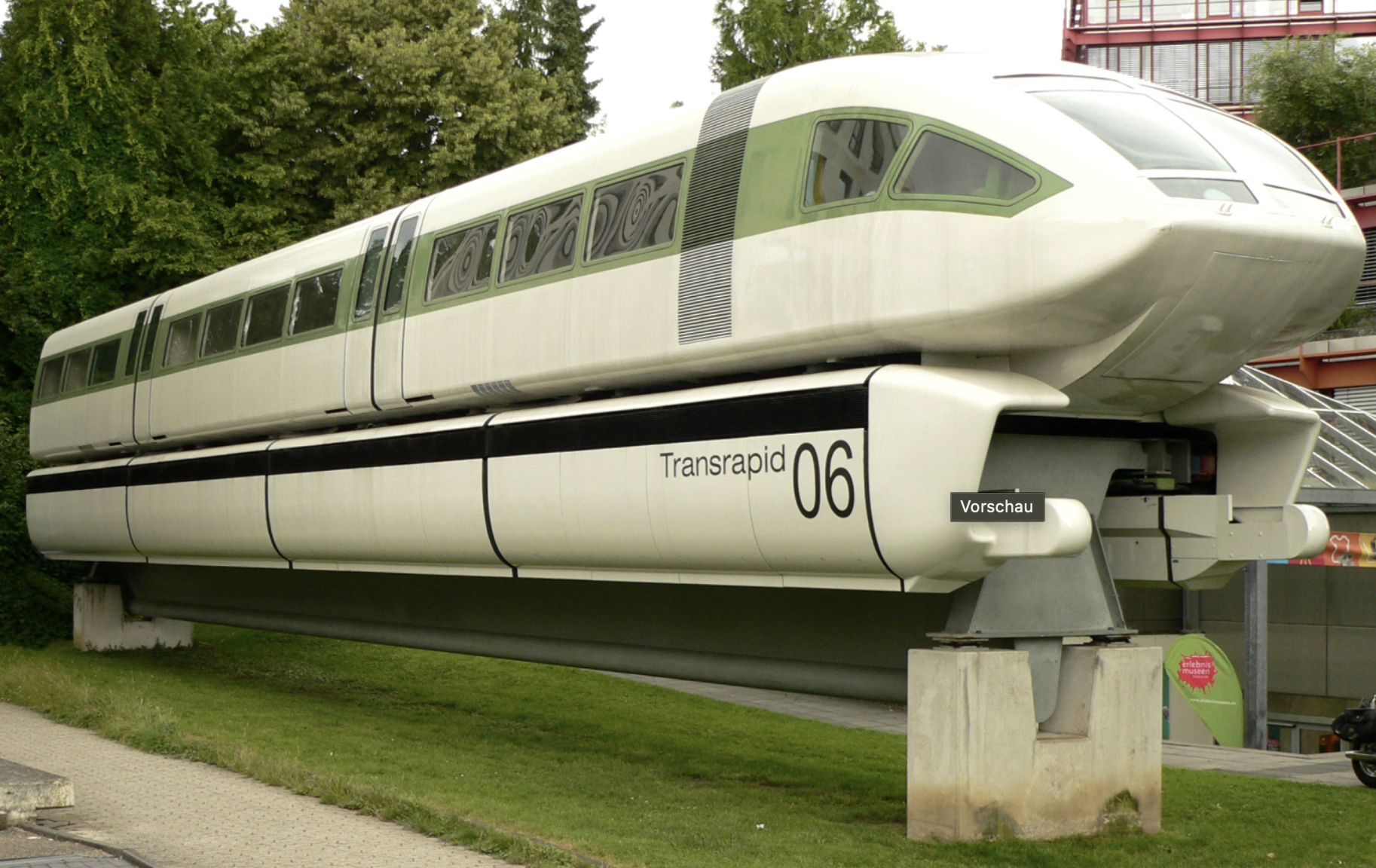
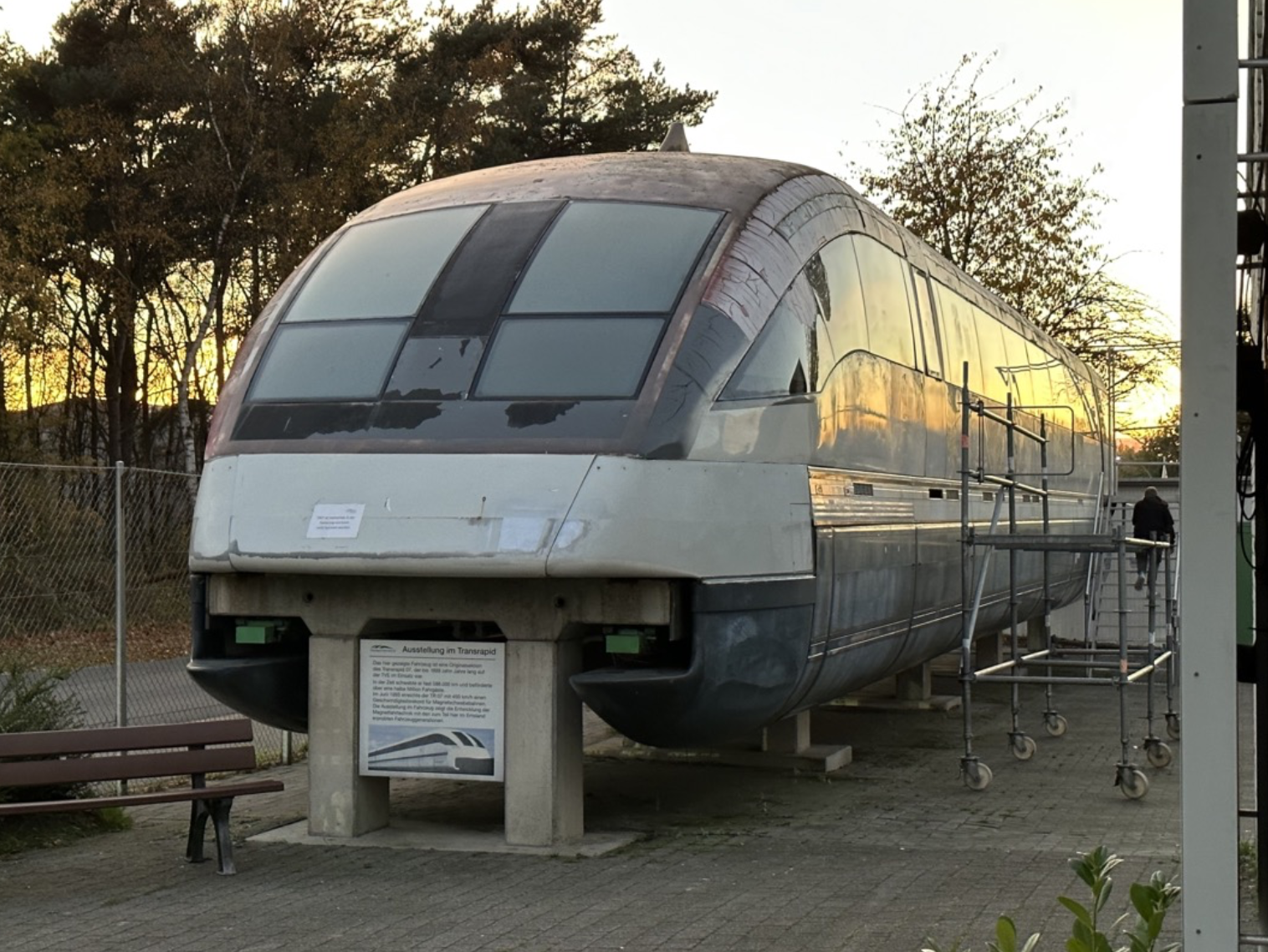
The TR06 reached 412.6 km/h at the test facility in Emsland.

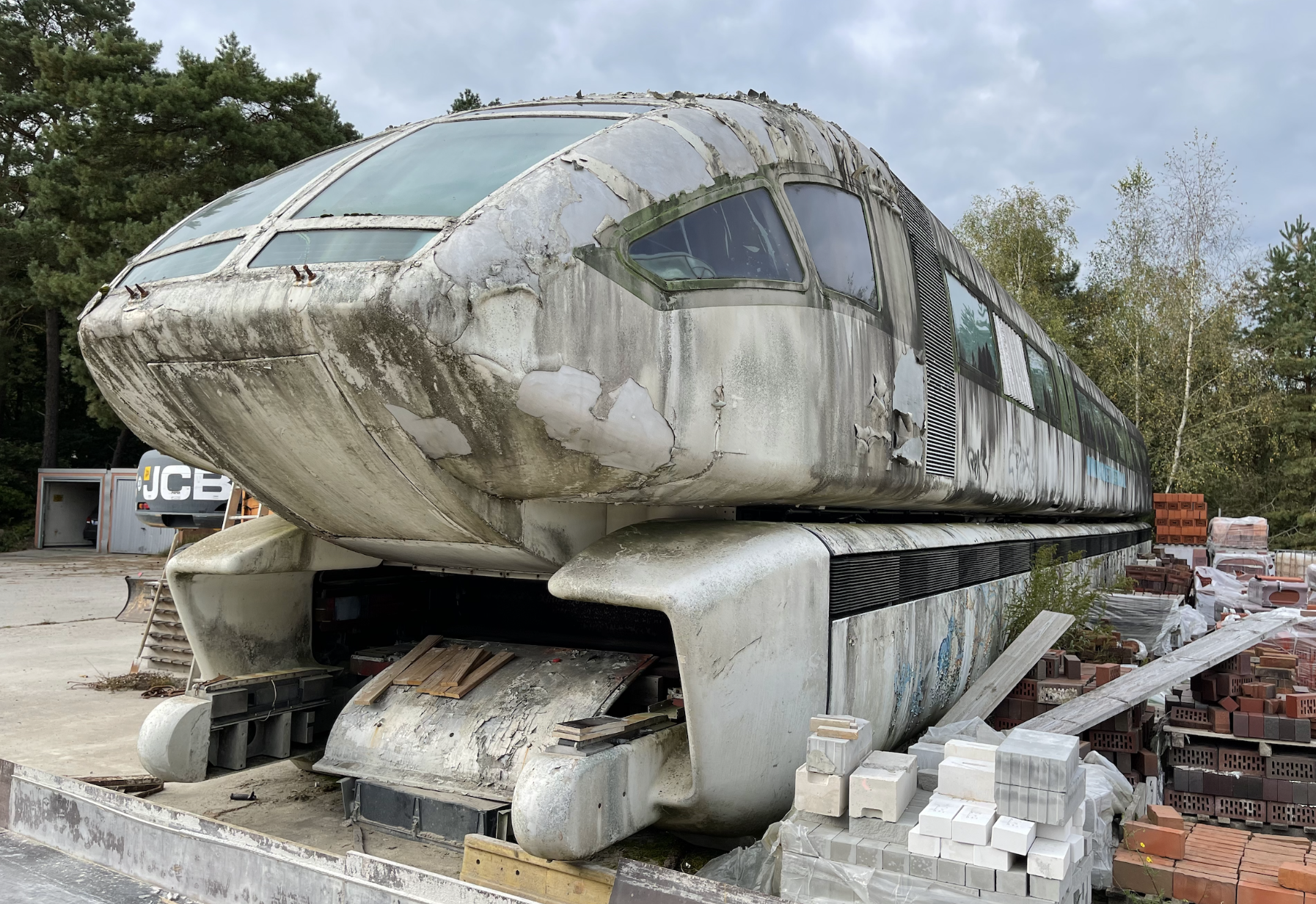
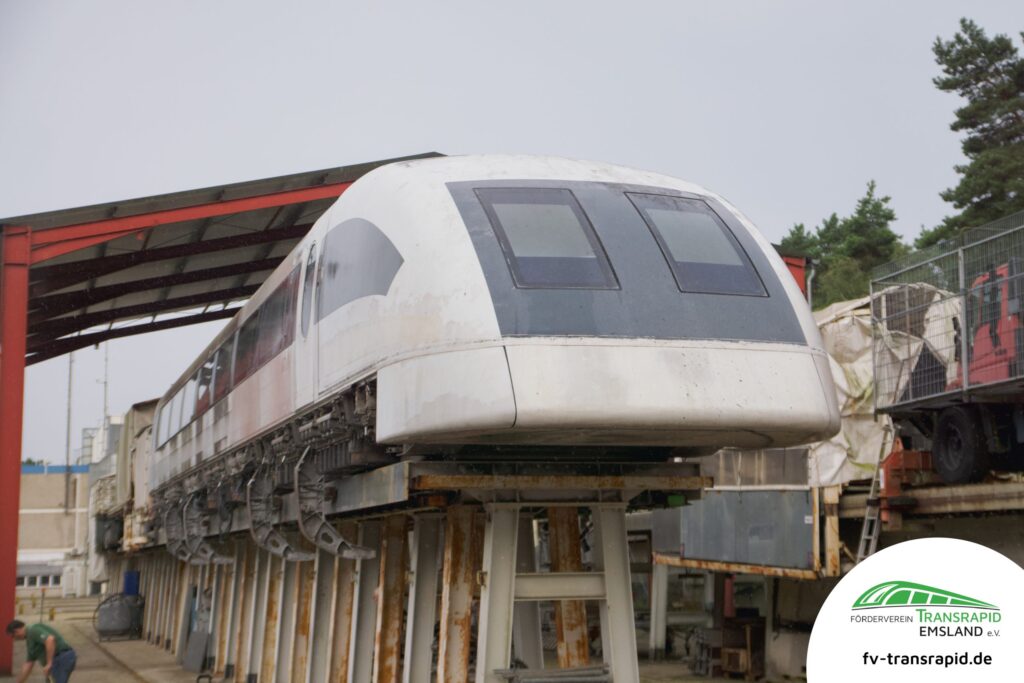
One end section stands at the Deutsches Museum Bonn, where it can be viewed from the outside. The inside is empty, as it was the engineers’ section. The counterpart is in storage in northern Germany, where it is unfortunately rotting in the open air. There are plans to restore the vehicle one day.

TR06 in Bonn, photo: Axel Hindemith via Wikipedia
The stored TR06 in Emsland

TR07

Image: Thyssenkrupp Transrapid

The vehicle of records achieved the technical readiness of the Transrapid system and the world record of 450 km/h. In 2000 and 2002 it was converted into an info center and transported to Essen and Munich.

Since 2004, one section has been back in Lathen. It can also be visited from the inside during a guided tour at the Transrapid Visitor Center.

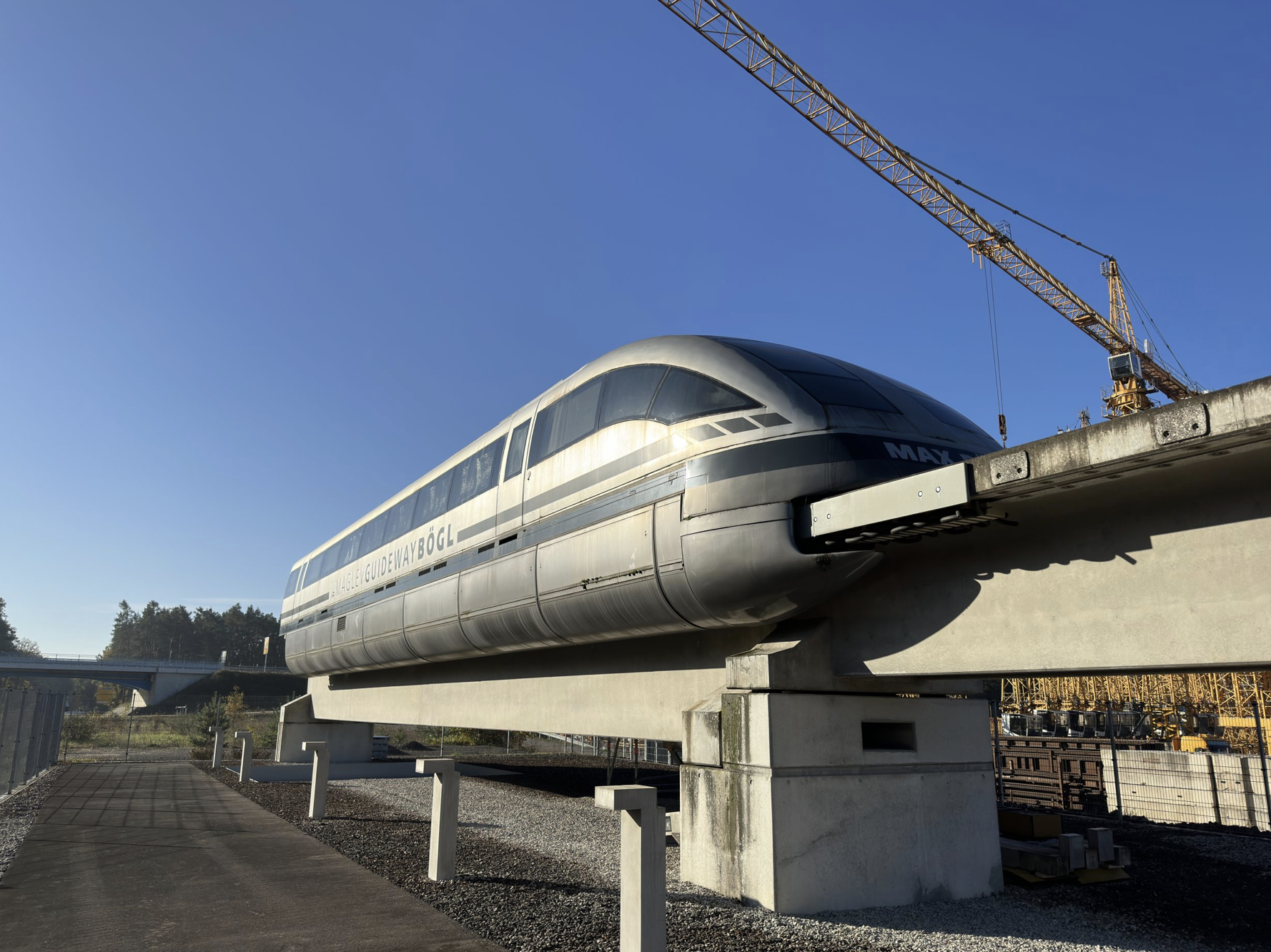
The counterpart has stood in Sengenthal at the Max Bögl company group since 2009. Bögl acquired the vehicle when it was standing at Munich Airport. It has since been wrapped in gray film and looks quite good from the outside.

TR07 in Sengenthal
TR07 in Lathen

TR08

Image: Thyssenkrupp Transrapid

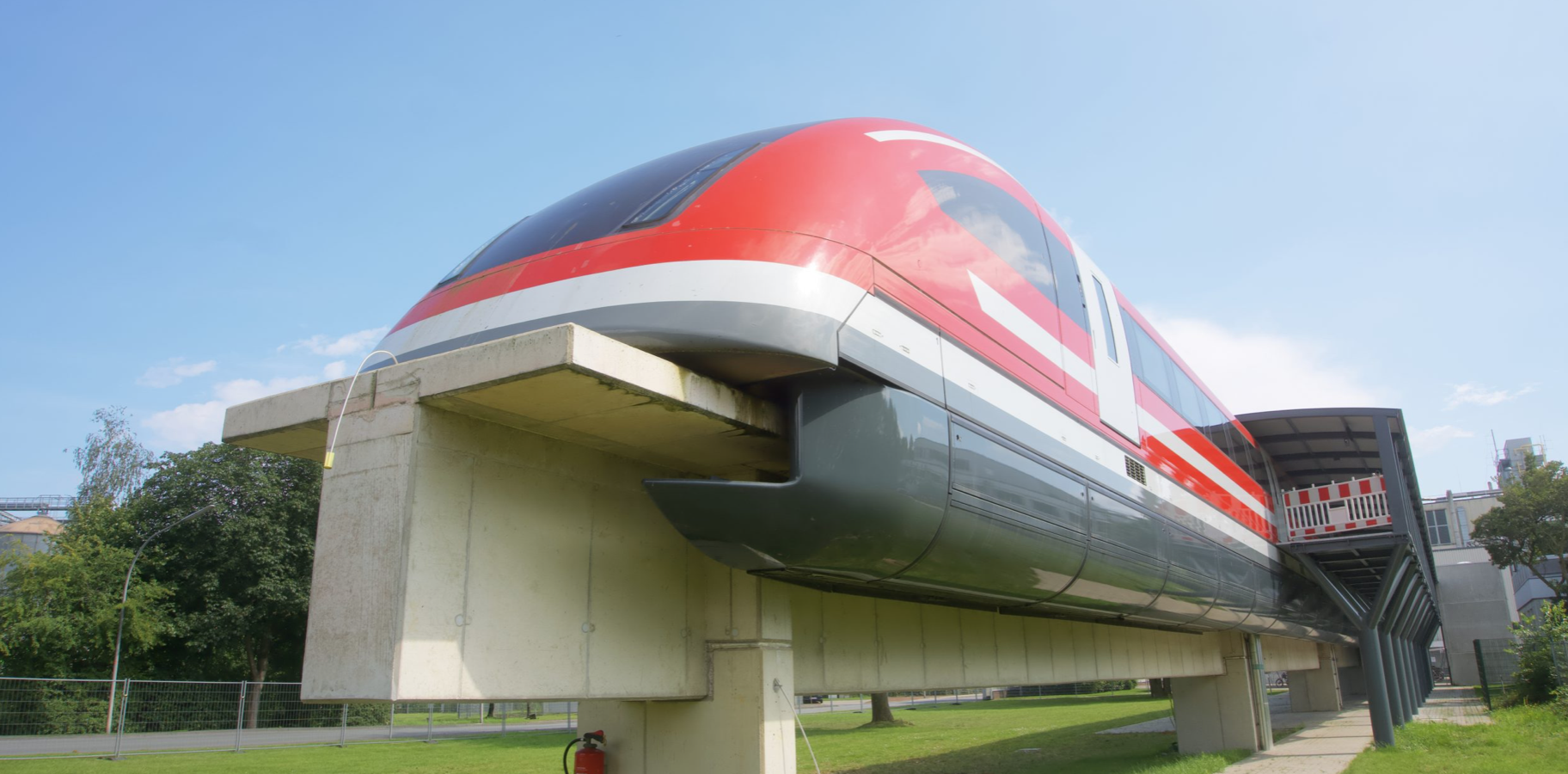
The first pre-series vehicle in “Deutsche Bahn design”. The TR08 conveyed the vision of the long-distance Transrapid thanks to its 3×3 seating and 3-section layout including a middle section. It was meant to be used on the Hamburg – Berlin route.

The pre-series vehicle produced for the TVE was involved in the accident caused by human error on September 22, 2006. It is not open to the public. The largely undamaged end section 2 (E2) can be viewed from the outside at the TVE. The middle section and the damaged end section remain in storage in northern Germany to this day.

TR08-E2 in Lathen

TR09

Image: Thyssenkrupp Transrapid

Originally, after its test phase the TR09 was to be used on the Munich Transrapid line. Due to political failure, nothing came of it.

Since 2017 it has stood in Nortrup. It was bought at a public auction for €200,001 by the great-grandson of the maglev inventor (Hermann Kemper). It cannot be visited from the inside; visitors can only look at it from the fence.

TR09 in Nortrup
Join the team

Help build maglevhub.com

maglevhub.com started in 2026 as the international offshoot of magnetbahn.de and is now growing on its own. We are looking for writers, translators, researchers, video makers and developers from all over the world.