Germany’s Rail Network Is Overloaded: A Transrapid Network Offers Relief
Germany's rail network is getting more and more crowded: Between 1995 and 2019 alone: +83% freight traffic +40% passenger traffic while track was being dismantled.
Opinions
Guest author: Peter Kindel
Peter Kindel (b. 1947) worked for 25 years in purchasing and sales, import and export, IT organization (Orga) and advertising at eth Regalbautechnik in Harsefeld. As a volunteer, he spent several years alongside his job as a CTECH in technical support for Corel WordPerfect. He has also been active as a freelancer in online advertising and in designing flyers, advertising banners and the like. In 2016 he initiated the online petition “Pro #Bargeld und keine #Bargeldobergrenze!” (for cash and against a cash limit), which was supported by more than 73,000 people. Twitter: @pkWebService, Instagram: peterkindel_hh.
The following article is addressed to the BILD “Bessermacher” council (a reader panel of the German tabloid BILD) and was sent on March 27, 2023.
Germany’s rail network is getting more and more crowded:
Between 1995 and 2019 alone:
+83% freight traffic
+40% passenger traffic
while track was being dismantled.
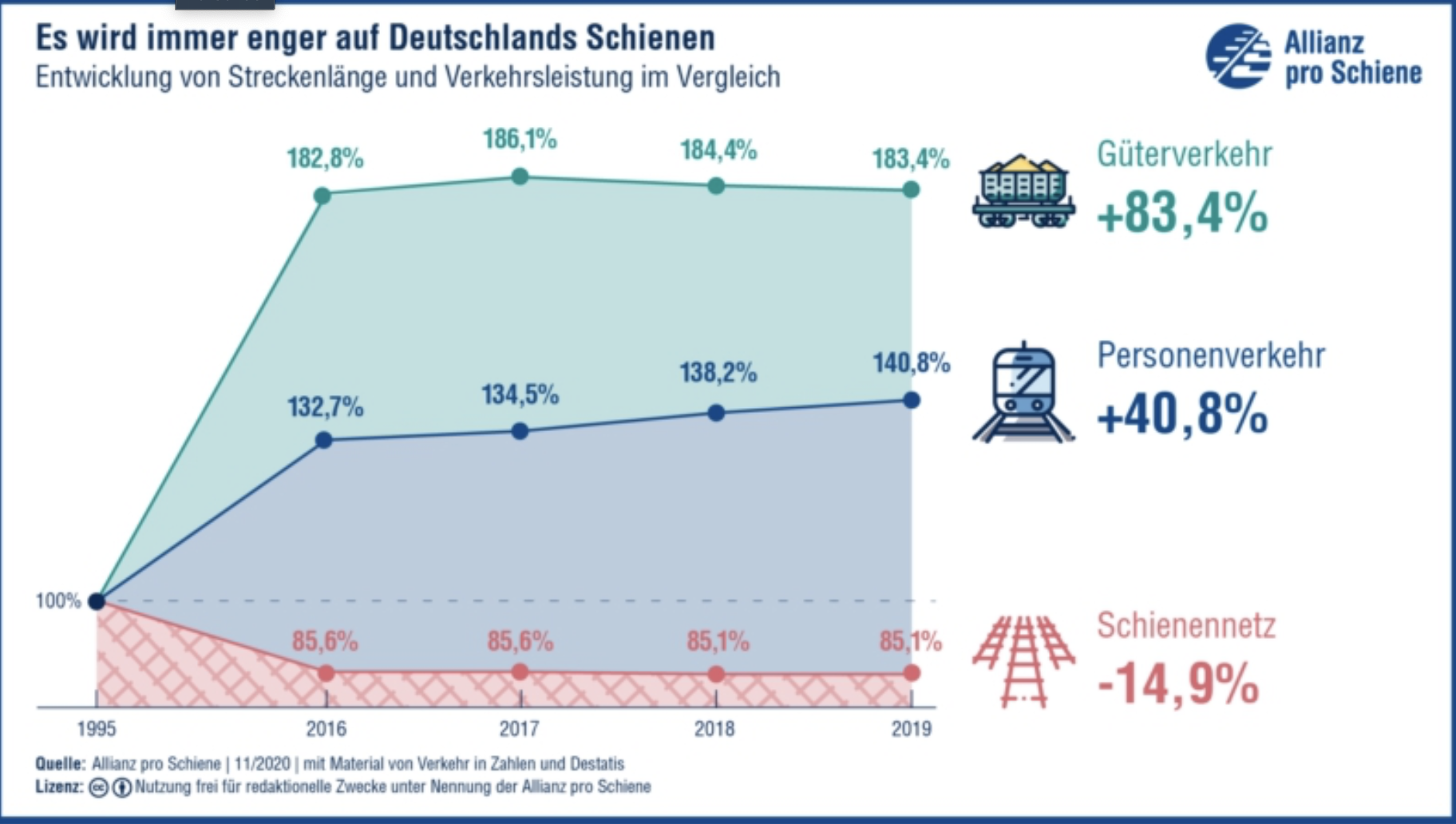
This affects the punctuality of rail traffic; in April 2022, for example, only 69.1% of ICE trains (Deutsche Bahn’s high-speed trains) were on time. Mixed traffic also has a negative impact on freight transport. The so-called Deutschlandtakt (the planned nationwide integrated timetable) has meanwhile been postponed by half a century, to the year 2070!
The German rail network is in need of repair and there is an investment backlog at Deutsche Bahn:
Construction sites are planned on almost 2,000 km, and several hundred switches, bridges and stations need to be renovated. Costs of more than €13.6 billion are expected this year alone.
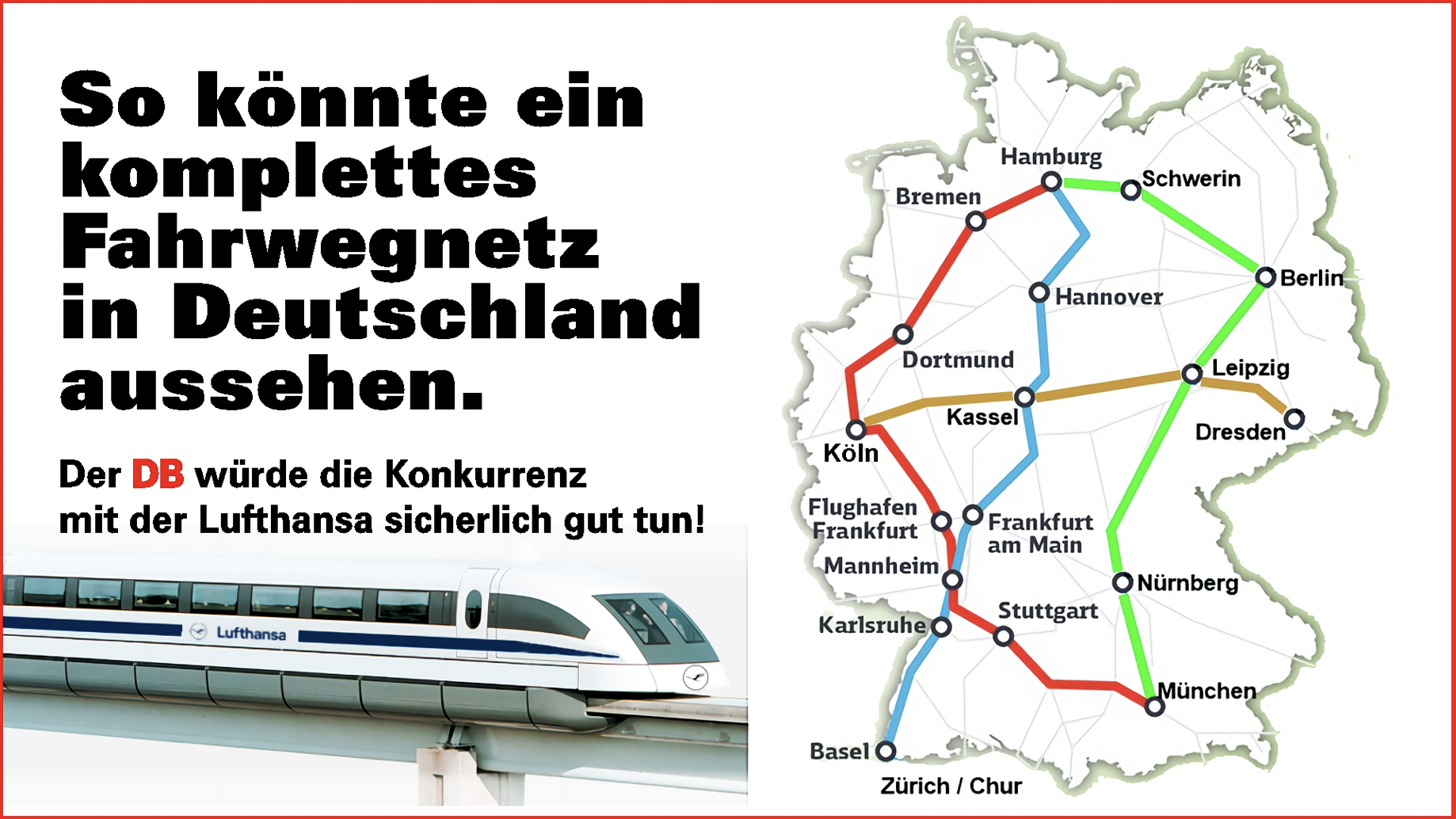
Several ICE routes now have to be repaired or expanded, for example the Berlin – Hamburg – Hanover route. The Transrapid could be used on this route or parts of it.
Unlike the ICE, the Transrapid guideway lasts 80 years without major repairs.
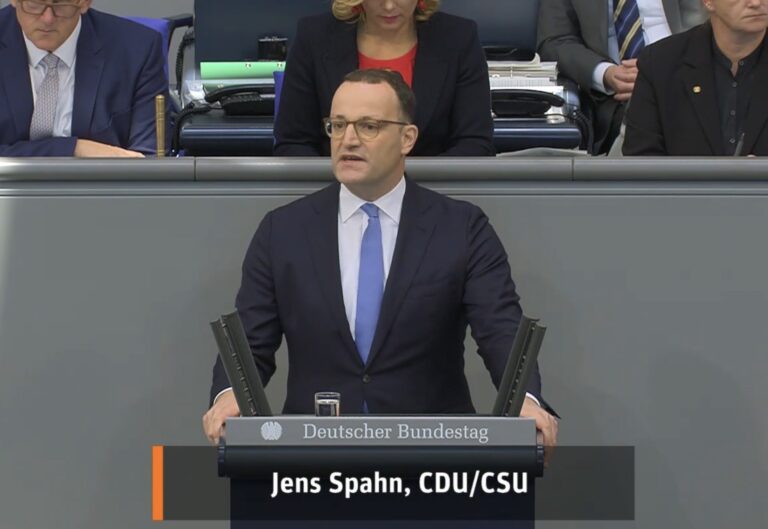
The Federal Minister for Digital and Transport Affairs, Volker Wissing, is having a concept drawn up for a high-performance network, but unfortunately appears not to draw on the current state of the art in doing so.
The Transrapid is the obvious choice for a separate high-speed network, with speeds of 500 km/h and more possible. The Transrapid has by now proven itself: since 2004, in daily service in Shanghai, the Transrapid has covered more than 25 million vehicle-km reliably and with 99.96% punctuality.
The Transrapid is environmentally friendly and runs energy-efficiently and without particulate matter:
Energy consumption per seat-kilometer at 350 km/h:
Transrapid: 35.2 Wh | ICE 58.4 Wh
At a speed of 500 km/h, the Transrapid requires 63.7 Wh
Acceleration to 300 km/h:
Transrapid: 98 s | ICE 324 s
Maintenance costs per seat-kilometer:
Transrapid: €0.56 | ICE €1.77
Noise at a speed of 300 km/h, from a distance of 25 m:
Transrapid: 85.5 dB(A) | ICE: 91 dB(A) | TGV: 105 dB(A)
Transrapid at a speed of 500 km/h: 101 dB(A)
Source: Technische Universität Dresden, provided by magnetbahn.org
Federal Minister Volker Wissing is aware of the problem.
Very regrettable: However, he unfortunately does not envisage the Transrapid for the high-speed network, even though the Transrapid would at the same time do something positive for environmental protection: operation without particulate emissions and, compared with the ICE, a real CO2 saving through lower power consumption (more than the so-called speed limit).
Not only with more than 500 km/h would the Transrapid make travel faster. Most airports are located outside the cities. The Transrapid could run directly into the cities. There would be no loss of time with the Transrapid,
because there are no time-consuming passenger checks as at airports.
Domestic air travel within Germany would become obsolete.
Meanwhile, a new 600 km/h maglev vehicle was recently presented in China. There are also calls there to use the Shanghai Transrapid line for tests of the replicated Chinese vehicles.
One weakness of Germany is to fund new developments (financially) but not to implement them economically once they could be put into use.
Germany simply can no longer afford to remain idle with regard to the Transrapid.
Now is the highest time, and also the opportunity, to catch up technologically!
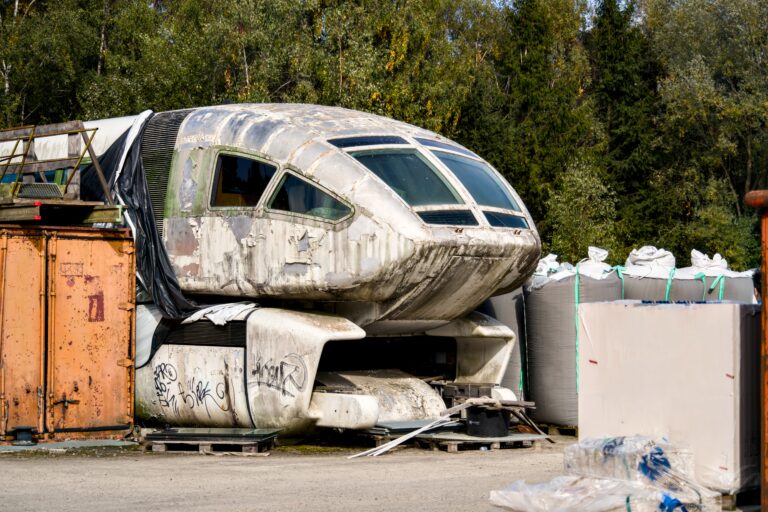
As a first step, the test track in the Emsland region (northwestern Germany) must be repaired and reactivated, so that, as a second step, regular operation in a German Transrapid network can begin as quickly as possible.