New 600+ km/h EDS Maglev Unveiled in China
China has unveiled a new maglev based on Japan's L0 Chuo Shinkansen that is meant to reach speeds above 600 km/h.
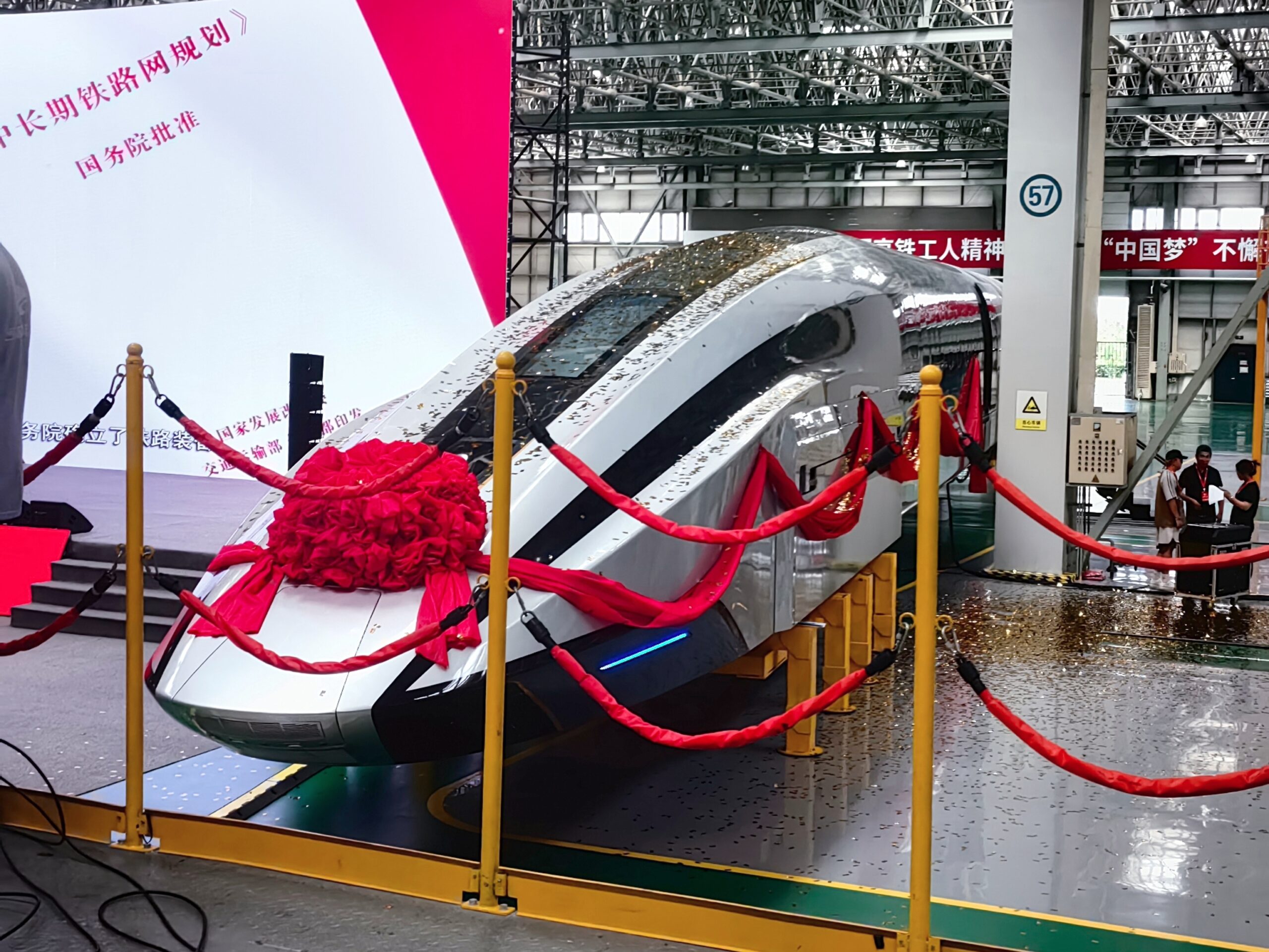
China has unveiled a new maglev based on Japan’s L0 Chuo Shinkansen that is meant to reach speeds above 600 km/h. The vehicle was already announced in late 2021, and in early 2023 the first tests of a prototype took place on a newly built test track.
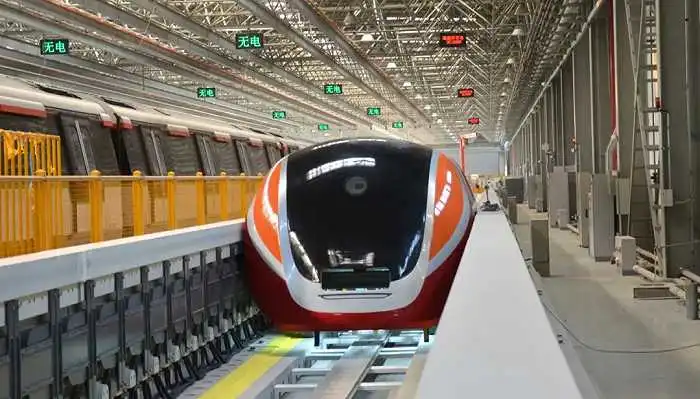
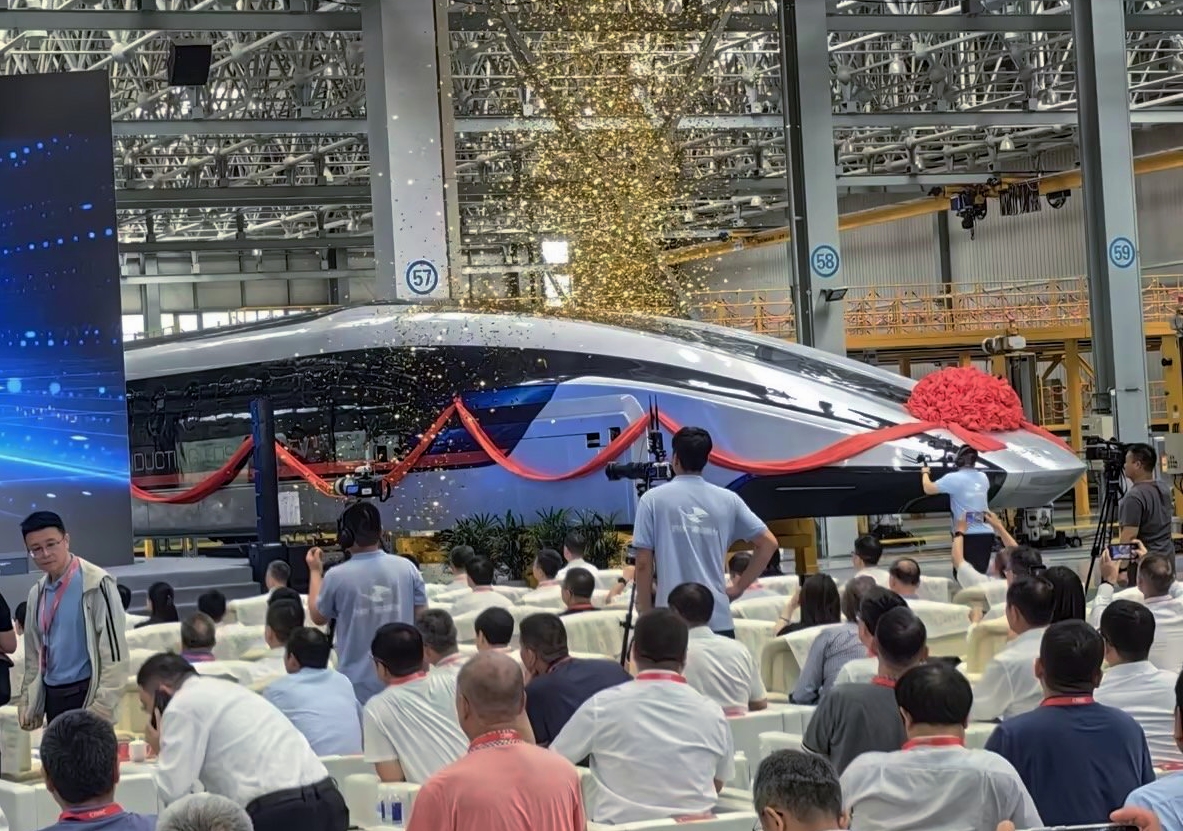
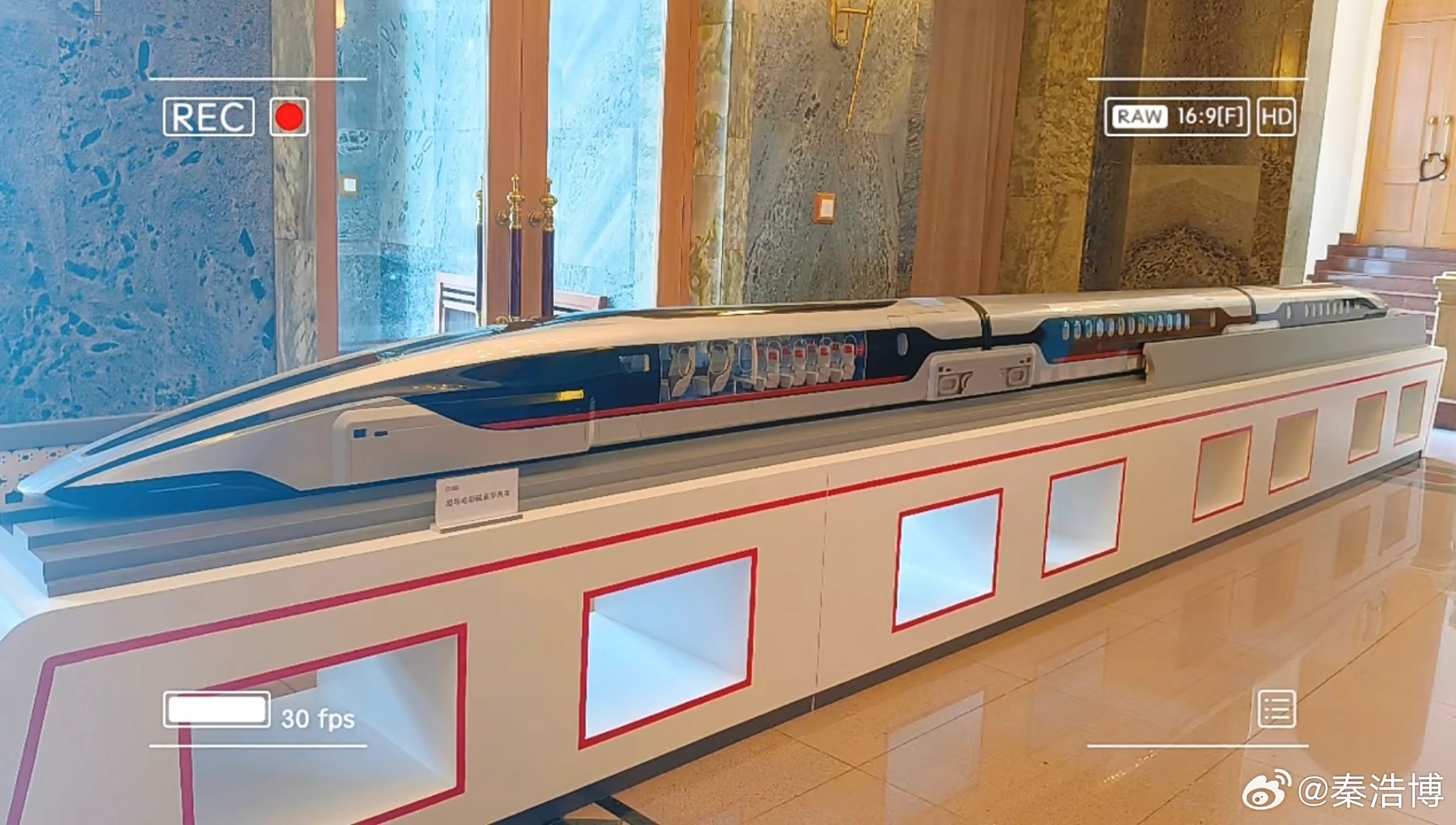
Recently, at an event marking the 70th anniversary of the CRRC Changchun plant, a new superconducting electrodynamic maglev was officially presented. This vehicle belongs to the same category as Japan’s L0 series, which also relies on superconducting electrodynamic maglev technology. However, the new vehicle from Changchun uses a novel high-temperature superconductor, whereas the Japanese L0 series is based on low-temperature superconductors.
It is an EDS vehicle (electrodynamic suspension), in which the levitation function is provided by superconducting magnets that must be cooled down to -270 degrees. Liquid nitrogen or helium is used for this. This makes the new maglev fundamentally different from the German Transrapid, which is based on the EMS principle (electromagnetic suspension). The Transrapid levitates because the vehicle is lifted by electromagnets, with no cooling to -270 degrees involved.
As early as March of last year, CRRC Changchun successfully carried out the first demonstration experiment with its high-temperature superconducting, electrically powered maglev system.
Last month, tenders were also issued for the interior fittings and the onboard systems. A standout feature of this vehicle is the use of solid nitrogen as a thermal battery, which eliminates the dependence on liquid nitrogen, an essential raw material for high-temperature superconductors.
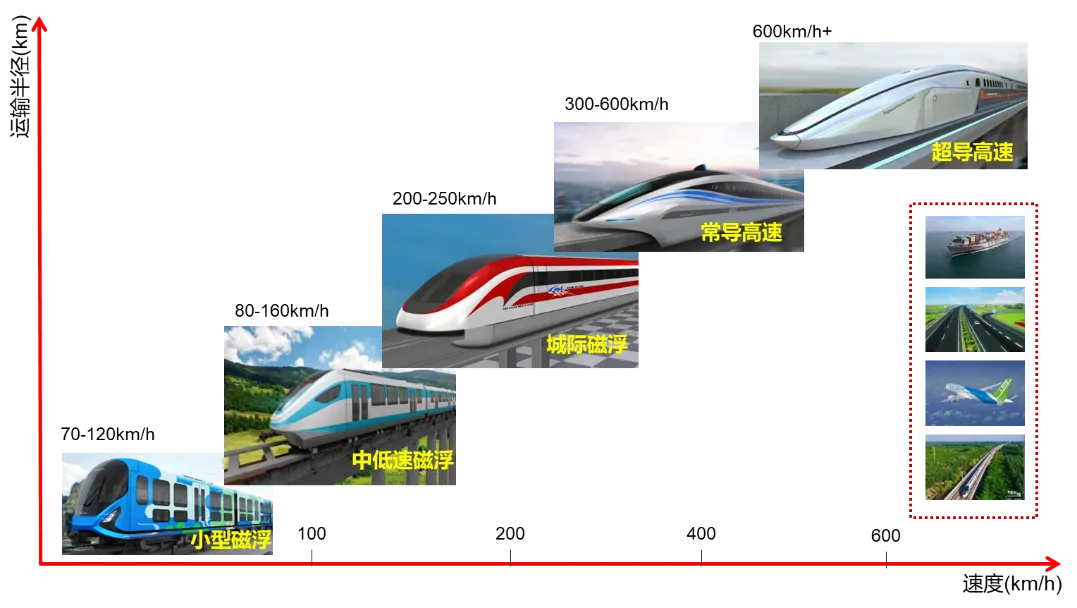
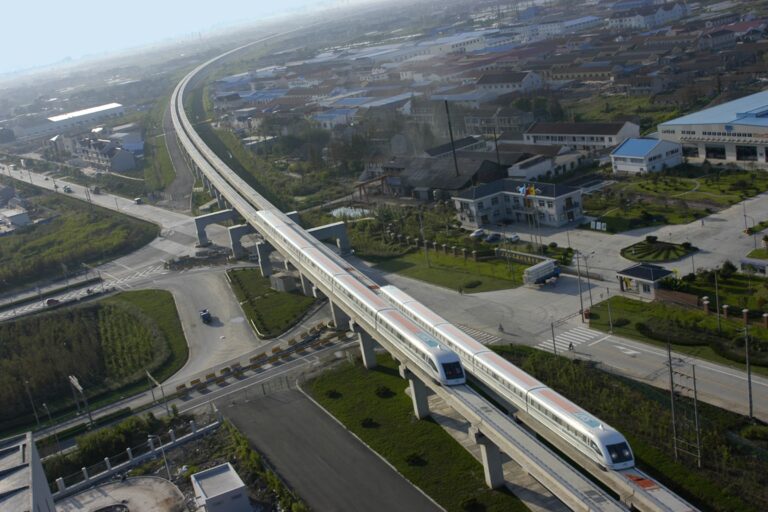
Various maglev systems are currently being developed in China. The best known are certainly the Transrapid replicas CRRC CF600 and CF200, which prove that China is further developing the Transrapid. In addition, China is also betting on other technologies, including the newly presented maglev. It is conceivable that a system decision will be made one day, or that the technologies will be built in parallel.
The graphic from China shows the range of current and future maglev technologies the country is developing. It spans from slow urban maglev systems with speeds between 70 and 160 km/h to cutting-edge, ultra-high-speed maglevs that can reach speeds of over 600 km/h. These technological advances allow China to optimize maglevs for different purposes, from urban transit solutions to intercity connections to potential alternatives to domestic flights. The graphic illustrates how wide-ranging the applications of maglev technology can be and highlights China’s leading role in developing high-speed transport systems.